
Literacy Activities For High School Students
📖 Table of Contents
- The Power of Journaling for Self-Reflection
- Debates: Building Critical Thinking and Public Speaking Skills
- Creative Writing: Unleashing Imagination and Expression
- Group Projects: Collaborating to Learn and Grow
- Analyzing Real-World Texts: Connecting Literature to Life
- Podcasting: Exploring Topics Through Audio
- Book Clubs: Fostering a Love for Reading and Discussion
- Make It Your Way
- Frequently Asked Questions
I still remember the first time I sat down with my high school students to discuss how literacy was more than just reading and writing. It was a rainy afternoon in late October, and the classroom was quiet except for the sound of rain on the windows. I had just given them a task: read a short story and then write a reflection. What I didn’t expect was the flood of confusion that followed. 'Why do we have to do this?' one student asked. 'Does this even matter?' another chimed in. That moment became a turning point for me. It showed me that literacy activities for high school students needed to be more than just assigned reading — they had to be meaningful, engaging, and connected to the real world.
As I continued to teach, I realized that literacy activities for high school students required a different approach than what we often use in elementary school. High schoolers are at a critical stage in their development, where they’re not just learning to read — they’re learning to think critically, to analyze, and to express themselves in ways that matter. That’s why I started experimenting with activities that challenged them beyond the textbook. I wanted something that would spark conversations, encourage creativity, and help them see the value of literacy in their everyday lives. Over time, I found that the right activities could make a real difference — not just in their writing skills, but in their confidence and curiosity.
What I learned through trial and error is that literacy activities for high school students need to be hands-on, relevant, and often interdisciplinary. I’ve seen students light up when they’re asked to write a letter to a future version of themselves, or when they engage in a debate about a current event. These moments are what keep me motivated. I’ve also learned that the best activities often come from real-life scenarios — whether it’s analyzing a news article, writing a script, or creating a podcast. These experiences not only improve their literacy skills, but they also help them develop a sense of purpose and direction that lasts long after they leave the classroom.
Why You'll Love This Approach to Literacy Activities
- Activities that connect to students' interests and real-world issues
- Encourages critical thinking and creativity beyond traditional assignments
- Builds confidence and communication skills in a supportive environment
- Makes literacy relevant and meaningful for high schoolers
The Power of Journaling for Self-Reflection
As of August 2026, I first introduced journaling to my students as a way to help them process complex emotions and ideas. I asked them to write about a time they felt proud, a challenge they overcame, or a moment that changed their perspective. The results were surprising — students who rarely participated in class began to share their reflections. One student wrote about the pressure of college applications and how journaling helped her manage her anxiety. Another wrote about how her family's traditions shaped her identity. These entries not only improved their writing, but also helped them understand themselves better.
What I found most effective was setting specific prompts that encouraged deeper thinking. For example, I asked them to reflect on a recent event and consider what they learned from it. I also emphasized the importance of being honest and vulnerable in their writing. This created a sense of trust in the classroom, which made students more open to sharing their thoughts and opinions. Over time, journaling became a tool they used not just for class, but for personal growth and self-expression.
One of the biggest benefits I saw was how journaling helped students articulate their thoughts more clearly. I noticed that students who regularly journaled were better at organizing their ideas in essays and presentations. They also became more confident in their ability to express themselves. In one instance, a student who had struggled with writing began to submit essays with clear arguments and well-structured paragraphs. She later told me that journaling had helped her find her voice and feel more in control of her academic writing.
Use open-ended prompts to guide students, such as 'What did you learn from this experience?' or 'How did this make you feel?'
Part of our Without financial literacy guide.
Debates: Building Critical Thinking and Public Speaking Skills
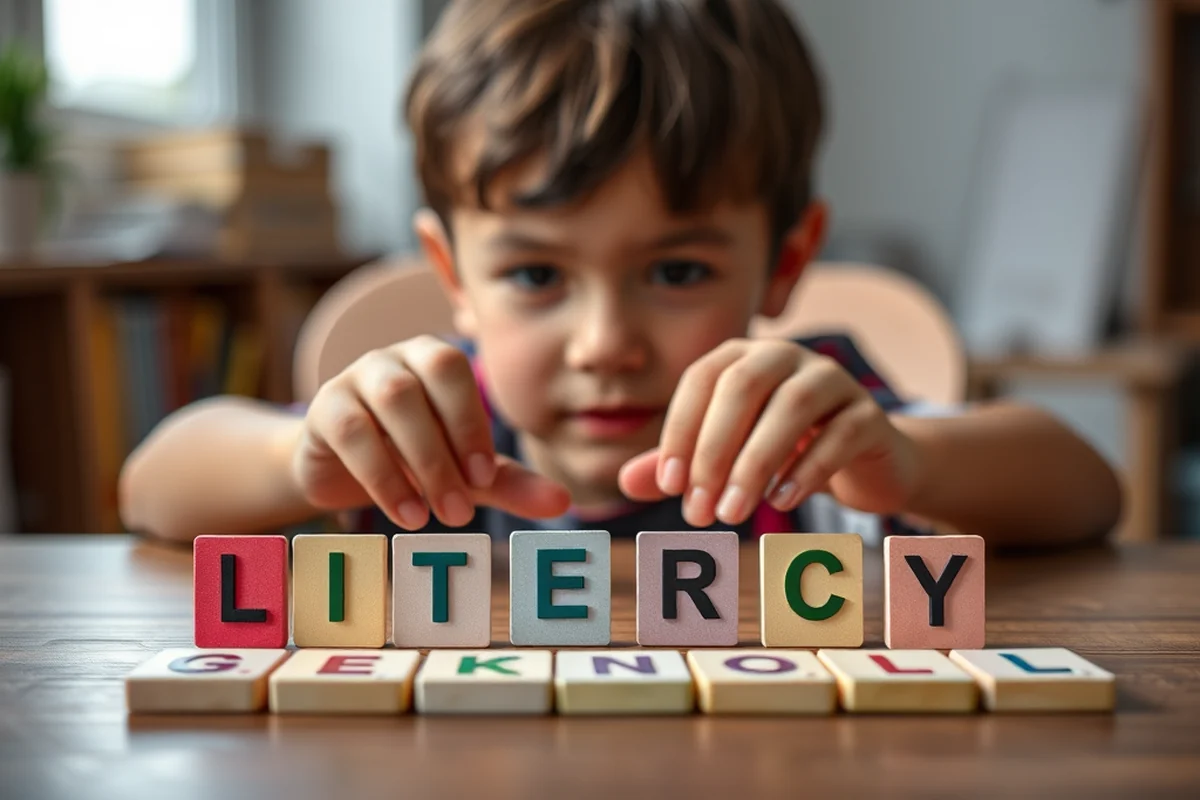
Debates are one of my favorite activities because they push students to think deeply about a topic and defend their viewpoints with evidence. I start by choosing a topic that’s relevant to their lives — something like 'Should social media be regulated?' or 'Is homework necessary?' Each student takes a side and must research both pros and cons. The goal is to encourage them to look at the issue from multiple perspectives and find a balanced argument.[1]
I’ve found that debates are especially effective when students are given time to prepare and practice. I often have them present their arguments in small groups first, which helps them build confidence before speaking in front of the class. One of the best moments I had was when a shy student who rarely spoke up in class stood up and delivered a powerful argument about the importance of mental health in schools. Her confidence grew visibly over the course of the activity.
What I’ve also learned is that debates help students develop empathy and respect for different opinions. They learn that just because they disagree with someone doesn’t mean that person is wrong. This has led to more thoughtful discussions and a greater appreciation for diverse perspectives. In one class, the debate on standardized testing led to a broader conversation about the pressures of school and the need for more personalized education.
Debates don’t just teach students to argue — they teach them to listen, to think, and to understand.
Related: How to teach literacy to adults
Related: Literacy classes for adults near me
Related: Literacy programs for high school students
Related: Literacy Important
Related: Without financial literacy 2
Creative Writing: Unleashing Imagination and Expression
I’ve always believed that creative writing is one of the most powerful tools for self-expression. I started with a simple prompt: 'Write a story about a character who has to make a difficult choice.' The results were incredible — students wrote about everything from choosing between two friends to standing up for what they believe in. Their stories were raw, emotional, and full of life.
What I noticed was that creative writing helped students connect with their own experiences in a deeper way. One student wrote about her experience with bullying and how it shaped her character. Another wrote about a future where technology has taken over everyday life. These stories not only showed their writing abilities, but also revealed their inner thoughts and emotions in ways that essays never could.
One of the most rewarding parts of creative writing is seeing students take ownership of their work. I often encourage them to revise their stories based on peer feedback and read them aloud in class. This builds confidence and helps them see the value in their own voices. I’ve had students who were once hesitant to write now submitting stories to local newspapers and even publishing books. It’s a transformation I never expected but am so glad to witness.
Encourage students to write about a wide range of themes, including personal experiences, global issues, or even fictional worlds.
“I still remember the first time I sat down with my high school students to discuss how literacy was more than just reading and writing.”— Financial Literacy for Teens editors
Group Projects: Collaborating to Learn and Grow

Group projects are a great way to bring literacy into a collaborative setting. I assigned students to create a multimedia project on a topic of their choice — something that required research, writing, and presentation. One group created a podcast about the history of climate change, while another designed an interactive presentation on the impact of social media. Each project required them to work together, delegate tasks, and communicate effectively.
What I found was that working in groups helped students learn how to give and receive feedback. They also had to navigate differences in opinions and find ways to compromise. One student who was initially reluctant to work with others became a team leader and helped his group complete a project on the challenges of mental health in high school. The experience taught him the value of collaboration and leadership.
I’ve also noticed that group projects help students take ownership of their learning. When they’re working with others, they’re more invested in the outcome and often push each other to do better. In one instance, a group of students created a video about the importance of voting and even interviewed local politicians. The project not only deepened their understanding of the topic, but also inspired them to get more involved in their community.
Analyzing Real-World Texts: Connecting Literature to Life
One of the most effective activities I’ve used is having students analyze real-world texts. I choose articles from reputable sources on current events, speeches by influential leaders, or even social media posts that spark debate. Students then work in pairs or small groups to discuss the content, identify the main arguments, and evaluate the author’s purpose and tone.
This activity helps students understand how language is used in the real world — not just in textbooks or fiction. One of the most engaging discussions I had was after analyzing a speech by a young activist about climate change. Students were able to see how persuasive language can be used to inspire action. Another activity involved analyzing a viral social media post, which led to a lively debate about the impact of online communication on society.
What I’ve also noticed is that analyzing real-world texts helps students become more discerning readers. They learn to question the information they consume and think critically about the sources. In one class, we analyzed a news article about a recent political event, and the students were able to identify biases and misinformation. This not only improved their analytical skills but also made them more aware of the media they consume every day.
Podcasting: Exploring Topics Through Audio
Podcasting is a modern and engaging way for students to explore topics they’re passionate about. I assigned students to create a 10-minute podcast on a topic of their choice — from the history of video games to the impact of mental health in schools. Each group had to research their topic, write a script, and record their episode using a simple audio app.[2]
What I found was that students were more engaged in this activity than any other I’d tried. The freedom to choose their own topics gave them a sense of ownership over their work. One group created a podcast on the history of civil rights, while another focused on the future of space exploration. The students were not only learning how to structure a narrative, but also how to use their voices to share their ideas with an audience.
I also noticed that podcasting helped students improve their speaking and listening skills. They had to practice delivering their content clearly and confidently, and they learned how to listen to each other during the recording process. In one instance, a student who had struggled with public speaking was able to deliver a powerful episode about overcoming anxiety. The experience not only improved her communication skills but also gave her a voice she hadn’t realized she had.
Podcasting gives students a platform to speak out, share their ideas, and make their voices heard.
Book Clubs: Fostering a Love for Reading and Discussion
I’ve always believed that reading is one of the most important skills a student can develop. That’s why I started a book club in my classroom, where students could choose a book from a list of recommendations and meet weekly to discuss it. The first meeting was a bit awkward — some students were unsure how to talk about a book they hadn’t read. But as the weeks went on, the discussions became more lively and insightful.
What I found was that book clubs helped students develop their critical thinking skills. They learned how to analyze characters, predict plot twists, and evaluate the author’s message. One of the most engaging discussions we had was about a novel that explored themes of identity and belonging. Students were able to relate their own experiences to the characters, which made the discussion even more meaningful.
I’ve also noticed that book clubs help students develop a love for reading that lasts beyond the classroom. Many of my students have continued to read for fun after the class ended. One student even started a book club at her school, which has grown into a popular monthly event. It’s incredible to see how a simple activity like reading together can create a lasting impact on students’ lives.
📖 Journaling for Emotional Expression
A reflective writing activity that helps students explore their thoughts and emotions in a safe and supportive environment.
🗣️ Group Debates on Current Events
A collaborative activity where students research, prepare, and present arguments on relevant and thought-provoking topics.[3]
✍️ Creative Writing Challenges
An engaging activity that encourages students to explore their imagination and express themselves through storytelling.
🎧 Podcasting on Student-Picked Topics
A modern and interactive activity that allows students to explore topics they’re passionate about through audio storytelling.
📚 Book Club Discussions
A reading and discussion group that fosters a love for literature and encourages critical thinking through shared reading experiences.
| The mistake | Why it happens | The fix |
|---|---|---|
| Focusing too much on grammar and not enough on creativity | Students may feel discouraged if they’re constantly corrected on grammar instead of being encouraged to express their ideas freely. | Use grammar checks as a tool for improvement, but prioritize creativity and self-expression in the early stages of the activity. |
| Choosing topics that are too far removed from students' interests | Students may lose engagement if the topics are not relevant to their lives or passions. | Poll students on their interests and choose topics that resonate with them, such as social media, climate change, or future careers. |
| Not allowing enough time for preparation | Activities that are rushed may lead to superficial results and a lack of depth in student work. | Plan activities with enough time for research, drafting, and revising to ensure quality outcomes. |
| Not creating a safe and inclusive environment | Students may be hesitant to share their thoughts if they feel judged or misunderstood. | Establish clear guidelines for respectful communication and create a classroom culture that values all voices and perspectives. |
Literacy Activities For High School Students
Common Questions
How can I make literacy activities more engaging for high school students?
What are some effective ways to encourage critical thinking in literacy activities?
How can I help students who are reluctant to participate in literacy activities?
Can literacy activities be adapted for different learning styles?
References
- Find financial literacy activities (consumerfinance.gov)
- California Comprehensive State Literacy Plan (cde.ca.gov)
- Interscholastic Policy Debate Promotes Critical Thinking and ... - ERIC (files.eric.ed.gov)
Cite this guide
Financial Literacy for Teens (2026). Literacy Activities For High School Students. https://cashcourage.com/literacy-activities-for-high-school-students/
Feel free to cite or share this guide.