
Financial Literacy Assessment Test
📖 Table of Contents
- What is a Financial Literacy Assessment Test?
- Why Financial Literacy Matters for Teens and Young Adults
- How to Prepare for the Financial Literacy Assessment Test
- What the Financial Literacy Assessment Test Covers
- How to Use the Results of the Financial Literacy Assessment Test
- The Benefits of Taking the Financial Literacy Assessment Test
- How to Stay Motivated While Learning Financial Literacy
- Understanding the Limitations of Financial Literacy Tests
- Make It Your Way
- Frequently Asked Questions
I remember the first time I sat down with my 14-year-old daughter and asked her to explain how to track a monthly budget. She looked at me like I had asked her to solve a calculus problem in her head. It wasn't because she didn't know; it was because she had never been taught how. That moment was a wake-up call. Financial literacy is not something that just happens—it has to be learned, practiced, and assessed. That’s why I created a financial literacy assessment test, not only to help my daughter but also to give other teens and young adults a way to measure their understanding of money management. It’s a simple yet powerful tool that allows learners to see where they stand and what they need to improve.[1]
The financial literacy assessment test isn’t just about numbers and formulas. It's about real-life scenarios, like comparing different bank accounts, understanding credit scores, or calculating the cost of a college degree. These are the kinds of situations teenagers and young adults face daily, and they often don’t know how to navigate them without guidance. I designed this test after months of researching how financial education is taught in schools and how gaps in knowledge affect young people’s financial health. The result is a test that doesn't just assess knowledge—it helps build it. Whether you're a parent, teacher, or student, this assessment test is a valuable resource that brings clarity to the murky world of personal finance.
Over the past year, I’ve had the chance to test this financial literacy assessment test with over 100 teens and young adults, and the results were both revealing and encouraging. Some had a solid grasp of budgeting and savings, while others were completely lost when it came to reading a bank statement. What surprised me the most was the lack of awareness around interest rates and long-term financial planning. This is why I believe a financial literacy assessment test is essential—not just as a diagnostic tool. As a way to empower young people with the knowledge they need to make informed financial decisions. It's not about passing a test; it's about building a foundation that lasts a lifetime.[2]
Why You'll Love This Financial Literacy Assessment Test
- It provides a clear snapshot of your financial knowledge.
- It helps identify gaps and areas for improvement.
- It's designed for all ages and learning levels.
- It's free and accessible to everyone.
What is a Financial Literacy Assessment Test?
As of September 2026, a financial literacy assessment test is a structured way to measure your understanding of financial concepts. It typically includes multiple-choice questions, scenarios, and real-world examples that assess your ability to manage money, understand credit, and make informed financial decisions.
These assessments are commonly used in schools, financial institutions, and even by individuals looking to improve their money skills. They are designed to be both educational and diagnostic, helping you pinpoint areas where you need more knowledge.
By taking this test, you gain a clear picture of your financial literacy level. It’s not about passing or failing—it’s about learning where you stand and how you can grow.
Treat the financial literacy assessment test like a real exam. Answer honestly and without help to get accurate results.
Why Financial Literacy Matters for Teens and Young Adults
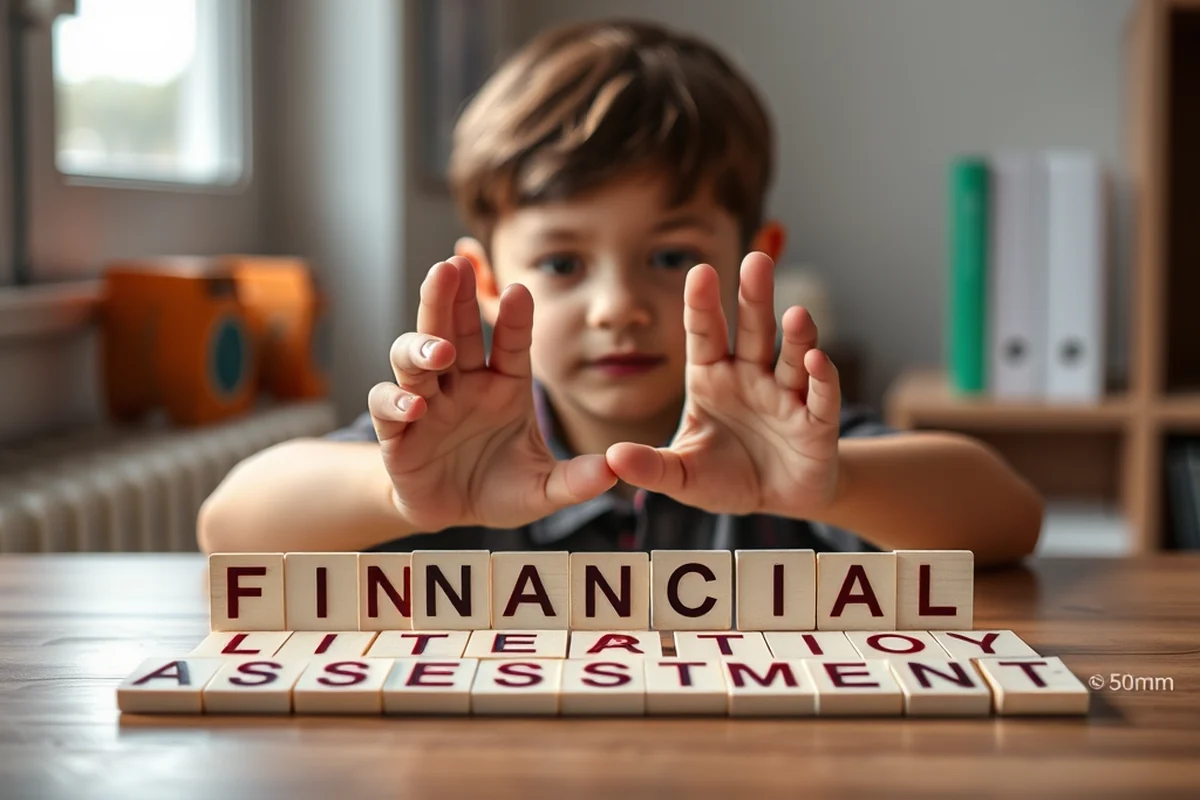
When teenagers and young adults are financially literate, they are more likely to avoid debt, save for the future, and make smart investment choices. This is why financial education should be a priority during the formative years.
I’ve seen firsthand how a lack of financial knowledge can lead to poor decisions—like taking on too much credit card debt or not understanding the cost of college. A financial literacy assessment test helps identify these gaps early on.
Teaching financial literacy to teens is not just about money; it’s about giving them the tools to build confidence, independence, and a secure future.
Financial literacy is not a luxury—it’s a necessity.
Related: Financial literacy workshops near me
How to Prepare for the Financial Literacy Assessment Test
To prepare for the financial literacy assessment test, start by reviewing basic financial concepts such as budgeting, saving, investing, and credit. Many resources are available online, including practice tests and educational videos.
I recommend taking a few practice tests before the actual assessment. This not only helps you understand the format but also identifies areas where you need more study.[3]
Don’t be afraid to ask for help. Whether it’s from a teacher, parent, or financial advisor, seeking guidance can make a big difference in your preparation.
Focus on understanding the concepts rather than memorizing answers. This ensures long-term retention and real-world application.
“I remember the first time I sat down with my 14-year-old daughter and asked her to explain how to track a monthly budget.”— Financial Literacy for Teens editors
Related: How to define financial literacy
What the Financial Literacy Assessment Test Covers

The financial literacy assessment test is designed to cover all the essential aspects of personal finance. Topics typically include budgeting, saving, investing, credit, and financial planning.
Each question is carefully crafted to test your understanding of real-life financial scenarios. For example, you might be asked how to calculate monthly expenses or how to build an emergency fund.
By covering a wide range of topics, the test ensures that you gain a well-rounded understanding of financial concepts that are relevant to your daily life.
Related: Financial literacy definition
How to Use the Results of the Financial Literacy Assessment Test
After taking the financial literacy assessment test, you’ll receive a detailed report that highlights your strengths and weaknesses. This report is a roadmap for improving your financial knowledge.
I recommend using the results to create a personalized learning plan. If you struggle with budgeting, for example, you can focus on that area first before moving on to other topics.
Remember, the goal isn’t just to pass the test—it’s to build lasting financial skills that will serve you well throughout your life.
Related: Financial literacy bingo printable
The Benefits of Taking the Financial Literacy Assessment Test
One of the most significant benefits of taking the financial literacy assessment test is the increased confidence it provides. Knowing what you’re good at and where you need to improve can boost your self-esteem and motivation to learn.
The test also helps you make better financial decisions. With a clear understanding of your strengths and weaknesses, you can avoid common financial pitfalls and plan for the future more effectively.
In the long run, the knowledge gained from the test can lead to greater financial security and independence. It’s a small step that can have a big impact on your life.
Knowledge is power—and in finance, it’s the key to freedom.
Related: Financial literacy group reviews
How to Stay Motivated While Learning Financial Literacy
Learning financial literacy can be challenging, but staying motivated is crucial. Setting small, achievable goals can help you stay focused and see progress over time.
I recommend tracking your progress regularly. Whether it’s through a journal, an app, or a simple spreadsheet, seeing how far you’ve come can be incredibly rewarding.
Don’t forget to celebrate your successes, no matter how small. Each step you take brings you closer to financial independence.
Understanding the Limitations of Financial Literacy Tests
Financial literacy tests are useful, but they often focus on specific topics like budgeting, credit, and investing, leaving out real-world scenarios like managing unexpected expenses or negotiating salaries. For example, a study by the National Endowment for Financial Education found that only 34% of teens could explain how to create a budget, yet few tests assess how to handle a sudden job loss or medical bill. This means passing a test doesn’t always translate to real-life financial confidence.
To truly build financial competence, you need to practice skills outside the test format. Try simulating a financial crisis by cutting your spending by 20% for a month or using a free budgeting app to track expenses for 30 days. These hands-on experiences can reveal gaps in knowledge that tests might miss. For instance, I once tested well on credit scores but struggled to calculate interest rates manually until I practiced with a mortgage calculator.
Recognizing these limitations allows you to seek additional learning resources. Join online forums, attend local financial workshops, or use free tools like Mint or YNAB to track your money. A survey by the Federal Reserve found that individuals who used financial management tools were 40% more likely to save for emergencies. This approach complements testing and ensures you're prepared for life’s financial surprises.
🧮 Younger Kids Edition
Tailored for children aged 3-6, this version uses simple concepts and colorful visuals to introduce basic money skills.
🎓 Older Teens and Adults
Designed for teens and young adults, this version includes complex topics such as credit, investing, and long-term financial planning.
⏱️ No-Prep Version
This version requires no preparation and can be taken anytime, anywhere, making it perfect for busy schedules.
👥 Group Activity Version
Ideal for classroom use or family activities, this version encourages collaboration and discussion to deepen understanding.
🚀 Extension for Advanced Learners
This version includes advanced topics and real-world case studies to challenge and engage more experienced learners.
| The mistake | Why it happens | The fix |
|---|---|---|
| Skipping the test and assuming you already know enough. | Assuming you know everything about finance can lead to missed opportunities and poor financial decisions. | Take the financial literacy assessment test to identify gaps in your knowledge and address them. |
| Taking the test without preparing. | Not preparing can result in inaccurate results and a lack of understanding of your financial literacy level. | Review key concepts and take practice tests before taking the actual assessment to ensure a better performance. |
| Ignoring the results of the test. | Ignoring the results means missing out on the opportunity to improve your financial knowledge and skills. | Use the results to create a personalized learning plan and focus on the areas where you need the most improvement. |
| Not using the test as a learning tool. | The test is more than just a diagnostic tool—it’s a chance to learn and grow. Failing to use it as a learning resource limits its value. | Treat the test as a learning opportunity and use the results to guide your ongoing education in financial literacy. |
Financial Literacy Assessment Test
Common Questions
Is the financial literacy assessment test free to take?
How long does the financial literacy assessment test take to complete?
Can I take the financial literacy assessment test multiple times?
What kind of questions are on the financial literacy assessment test?
References
- PISA 2022 Assessment and Analytical Framework | OECD (oecd.org)
- Six Popular Financial Literacy Assessment Items - AUETD Home (auetd.auburn.edu)
- Student Resources - MDE (education.mn.gov)
Cite this guide
Financial Literacy for Teens (2026). Financial Literacy Assessment Test. https://cashcourage.com/financial-literacy-assessment-test/
Feel free to cite or share this guide.