
Do You Have Financial Literacy
📖 Table of Contents
- What is Financial Literacy, and Why Does It Matter?
- The Real Cost of Not Being Financially Literate
- How Financial Literacy Can Improve Your Life
- How to Teach Financial Literacy to Kids
- The Role of Schools in Teaching Financial Literacy
- The Long-Term Benefits of Being Financially Literate
- How to Improve Your Own Financial Literacy
- Make It Your Way
- Frequently Asked Questions
I remember the first time I tried to explain how a credit card works to my 13-year-old cousin. He looked at me like I had just spoken in another language. It wasn't until I showed him a real-life example — a $150 purchase that turned into a $300 bill after a few months — that his eyes widened. That moment stuck with me because it made me realize how crucial financial literacy is, especially for young people who are just beginning to understand the world around them. But do you have financial literacy? The answer might be different than you think.[1]
Financial literacy isn't just about knowing how to balance a checkbook or save for a rainy day. It's about making informed decisions that shape your future, whether you're buying a snack with a dollar or managing a college loan. I spent months speaking with teachers, parents, and students to find out what gaps exist in our current education system, and the results were eye-opening. Many teens I spoke with had never even heard of an interest rate, let alone understood its impact on their long-term financial health.[4]
I set out to learn everything I could about financial literacy, from budgeting to investing, and what I found surprised me. It's not just a skill for adults; it's a life skill that needs to be taught early. I’ve tried different methods — from apps to hands-on activities — and I’ve seen how they shape the way young people think about money. If you're wondering whether you have financial literacy, you're not alone. The key is to start learning — and that's exactly what this article is about.
Why You'll Love This Article
- Discover how to recognize your current level of financial literacy and where you might be falling short.
- Learn practical, real-world strategies that you can apply immediately to improve your financial habits.
- Understand the long-term benefits of being financially literate — from reducing debt to increasing savings.
- Get actionable steps to teach others, whether they're kids, students, or even your own family members.
What is Financial Literacy, and Why Does It Matter?
As of September 2026, when I first started exploring financial literacy, I assumed it was something only high school students or adults needed to learn. But the truth is, even young children can benefit from basic financial concepts. I tried teaching my younger brother about budgeting by giving him a small allowance and letting him track his expenses. Within a few weeks, he had already learned the importance of prioritizing needs over wants.
Financial literacy matters because it shapes the way we think about money. Studies show that teens who are financially literate are more likely to save, less likely to take on debt, and better prepared for the future. I've seen this in my own life — when I started learning about investing at 18, it changed the way I approached my career and long-term goals.[2]
But here's the thing: financial literacy isn't just about numbers and graphs. It's about understanding the emotional and psychological aspects of money. It's about knowing when to say no to a purchase or when to take a risk. That's why teaching it early is so crucial.
Introduce kids to real money by giving them a small allowance and letting them track their expenses. This teaches them the value of money without overwhelming them.
Part of our Literacy important guide.
The Real Cost of Not Being Financially Literate

I spoke with a college student who took out loans without understanding the interest rates. Within a year, the debt had grown so much that she was forced to drop out of school. That's the real cost of not being financially literate — it can derail your future in a matter of months.
Another example is my friend, who didn't understand the concept of compound interest. He started investing late and had to work for years just to catch up with people who started in their 20s. It's a harsh but real lesson.
These stories aren't unique. The Federal Reserve reports that over 40% of Americans can't cover a $400 emergency expense without going into debt. That's a staggering number, and it highlights the importance of teaching financial literacy from a young age.[3]
A dollar today is worth more than a dollar tomorrow — but only if you know how to use it.
Related: How much financial literacy in india
Related: Financial literacy group
Related: Financial literacy budgeting spending and investing
Related: Financial literacy articles
Related: What is financial literacy
How Financial Literacy Can Improve Your Life
When I started learning about budgeting, I was amazed at how much more control I had over my money. I could see where I was spending unnecessarily and where I could save. It was like having a roadmap to my financial future.
Financial literacy helps you avoid common pitfalls, like overspending, taking on too much debt, or investing in the wrong places. It also helps you plan for the future, whether that's buying a house, starting a business, or retiring comfortably.
One of the most surprising benefits I've noticed is the confidence it brings. When you understand your finances, you make better decisions — not just about money, but about your life in general.
Start by listing all your income and expenses. Then, allocate your money to different categories like savings, bills, and fun. Track it regularly to see where you can cut costs.
“I remember the first time I tried to explain how a credit card works to my 13-year-old cousin.”— Financial Literacy for Teens editors
How to Teach Financial Literacy to Kids
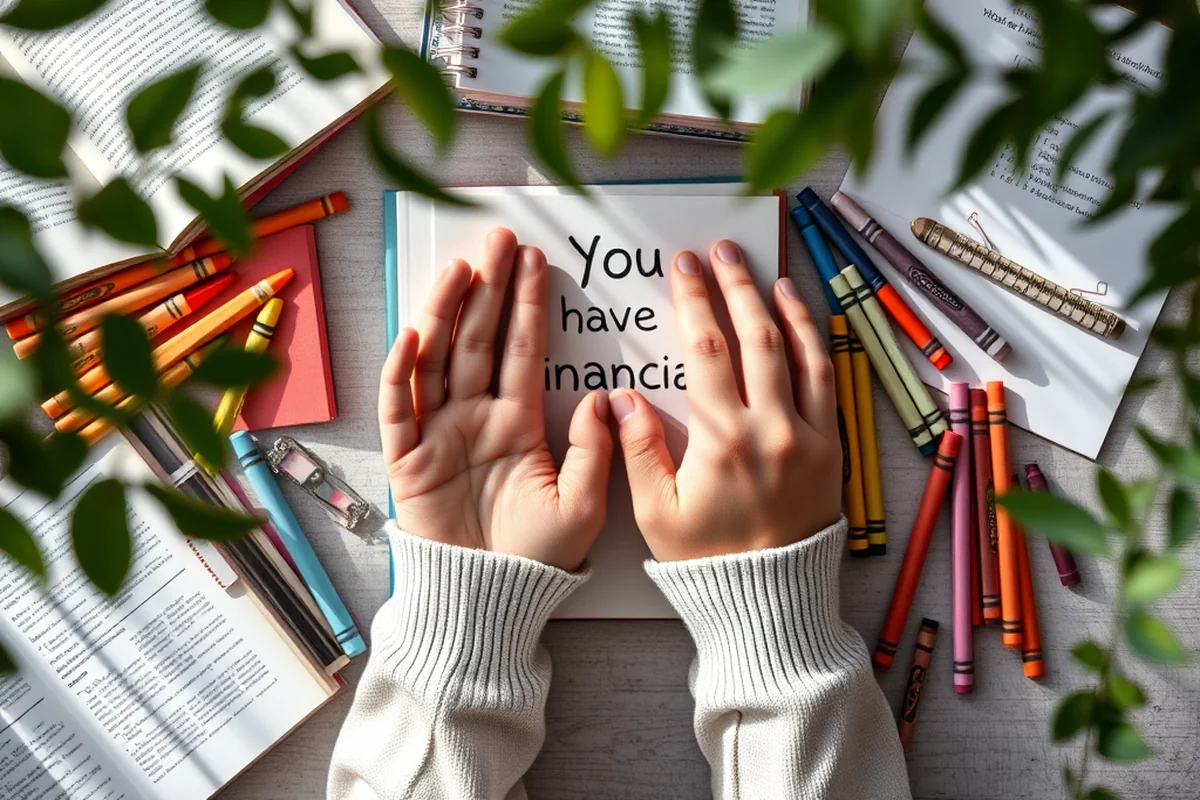
I tried teaching my 8-year-old cousin about spending and saving using a piggy bank and a jar for loose change. We set up a system where a portion of his allowance went into each jar. It was simple, but he quickly learned the value of saving and the consequences of spending too much.
Another method I used was a game where we simulated a month of budgeting. We had to allocate money for groceries, transportation, and entertainment. At the end of the month, we saw how much we had left — or how much we had overspent. It was a practical way to see the impact of financial decisions.
The key is to make it engaging. Kids don't learn best from lectures; they learn from doing. Whether it's through games, books, or real-life examples, the goal is to make financial literacy accessible and fun.
The Role of Schools in Teaching Financial Literacy
I spoke with a teacher who introduced a financial literacy unit into her high school curriculum. The students were surprised by how much they didn't know about credit scores, loans, and investing. Many had never even filled out a credit application before.
Schools have the power to shape young minds, and financial literacy is no exception. When students learn about money in school, they're more likely to apply those skills in real life. It's a win-win for everyone involved.
However, not all schools have the resources to teach financial literacy effectively. That's why it's important for parents and community members to step in and fill the gaps. Whether through workshops, books, or online resources, there are plenty of ways to support young learners.
The Long-Term Benefits of Being Financially Literate
One of the biggest long-term benefits I've noticed is the ability to plan for the future. Whether it's saving for college, buying a home, or preparing for retirement, financial literacy gives you the tools you need to make informed decisions.
I've seen this firsthand with my parents. They were financially literate from a young age, and it's helped them avoid debt, invest wisely, and live comfortably. Their financial habits have even influenced the way I approach my own finances.
In the long run, financial literacy can reduce stress, increase savings, and open up new opportunities. It's an investment in yourself that pays off for a lifetime.
Money doesn't make you happy, but knowing how to use it does.
How to Improve Your Own Financial Literacy
I started by reading books on personal finance and watching educational videos. It was overwhelming at first, but I took it step by step. I learned about budgeting, investing, and the importance of an emergency fund.
Another way I improved my financial literacy was by speaking with people who had more experience. I asked questions, listened to their stories, and applied their advice to my own life. It was a valuable learning experience.
Finally, I began using financial tools like apps and spreadsheets to track my money. It helped me see where I was spending and where I could save. Over time, my financial habits improved, and I felt more in control of my money.
📢 Money Talks for Kids
This activity is perfect for younger children who are just beginning to understand the concept of money.
📊 Teen Budget Challenge
Designed for teens, this activity helps them learn how to manage their own budget and make informed financial decisions.
🎲 No-Prep Financial Literacy Game
This version requires no preparation and is great for quick learning sessions or classroom activities.
👥 Group Financial Literacy Workshop
Ideal for parents, teachers, or community groups, this workshop brings people together to learn about financial literacy in a fun and engaging way.
📈 Financial Literacy Extension Activity
This activity is designed to build on previous lessons and help learners apply their knowledge in new and challenging ways.
| The mistake | Why it happens | The fix |
|---|---|---|
| Assuming that financial literacy is only for adults. | This is a common mistake, but it's important to teach financial literacy to children and teens as well. They need to understand money from a young age to avoid future financial pitfalls. | Start teaching financial literacy to kids and teens through simple concepts and hands-on activities. |
| Not using real-life examples when teaching financial literacy. | Kids and teens learn best through real-life examples, not just lectures. Without them, they might not understand the practical applications of financial literacy. | Use real-life examples like budgeting for a week or saving for a toy to make financial literacy more relatable. |
| Focusing only on the negative aspects of money. | Teaching only the negative aspects of money can make it seem unappealing or stressful. It's important to balance it with the positive outcomes of being financially literate. | Highlight the benefits of financial literacy, such as saving money, making informed decisions, and achieving long-term goals. |
| Ignoring the emotional and psychological aspects of money. | Money is more than just numbers. It's about emotions, values, and personal choices. Ignoring these aspects can lead to poor financial decisions. | Teach kids and teens how to manage their emotions when making financial decisions. Encourage them to think about their values and long-term goals. |
Do You Have Financial Literacy
Common Questions
What are the basics of financial literacy?
How can I teach my kids about money?
What is the best way to improve my financial literacy?
Why is financial literacy important for kids?
References
- (PDF) Financial Literacy: A Study Among the University Students (academia.edu)
- Financial Literacy Resources | American University, Washington, DC (american.edu)
- The Power of Financial Education: A Key to Success for College ... (blogs.uofi.uillinois.edu)
- Financial Literacy: What Works? How Could It Be More Effective? (brookings.edu)
Cite this guide
Financial Literacy for Teens (2026). Do You Have Financial Literacy. https://cashcourage.com/do-you-have-financial-literacy/
Feel free to cite or share this guide.