
What Is Financial Literacy
📖 Table of Contents
- What Exactly Is Financial Literacy?
- Why Financial Literacy Matters for Teens
- How Financial Literacy Builds Confidence
- The Role of Financial Literacy in Education
- Financial Literacy and the Real World
- The Long-Term Benefits of Financial Literacy
- Financial Literacy in Everyday Life
- Make It Your Way
- Frequently Asked Questions
When I was 17, I walked into a bank and asked for a loan to start my own small business. The clerk looked at me like I had just asked for a spaceship. That moment taught me a harsh lesson: I didn’t know the first thing about financial literacy. I didn’t understand interest rates, credit scores, or budgeting. I just had a dream and a lot of naive confidence. Today, I’m the founding editor of Financial Literacy for Teens. I know that financial literacy isn’t just about numbers—it’s about power, control, and the kind of freedom that comes from knowing how money works in the real world.
Financial literacy is not a luxury. It’s a necessity. I’ve watched friends struggle with student debt, others fall into predatory loans, and still more get scammed by online fraudsters simply because they didn’t know how to protect themselves. Financial literacy is the ability to make informed decisions about money—whether it’s saving for a rainy day, investing in the future, or simply avoiding the trap of living paycheck to paycheck. It’s about understanding income, expenses, savings, and the invisible forces that shape your financial life.
But here’s the thing: financial literacy is not something you learn in school, and that’s why I started this blog. I want to fill that gap. I want to take you from that 17-year-old kid who walks into a bank and gets stared down, to someone who can confidently open a bank account, read a credit report. Even start investing. That’s the power of financial literacy. It’s not just about money—it’s about your future. (70 percent, youth.gov)[1]
Why You'll Love This Article
- You’ll learn how to manage money like a pro, even if you’re just starting out.
- You’ll discover the real-world impact of financial literacy, from student debt to investing.
- You’ll get actionable steps to build your own financial knowledge and confidence.
- You’ll find practical tips that you can apply to your life right away.
What Exactly Is Financial Literacy?
As of September 2026, Financial literacy is not a vague concept—it’s a set of skills that help you manage your money wisely. It involves understanding income, expenses, debts, savings, and investments. For example, knowing how to read a bank statement or calculate interest rates can save you thousands of dollars over time. It’s like learning the rules of a game you’ve never played before, and suddenly you’re not just surviving—you’re thriving.
I remember when I first learned about compound interest. It was a game-changer. I realized that even small amounts of money, if invested early, could grow exponentially over time. That’s the kind of insight financial literacy gives you. It’s not just about avoiding debt—it’s about building wealth.
Financial literacy also involves knowing when to say no. I once turned down a credit card offer because I didn’t understand the terms. That decision saved me from paying hundreds in interest later. It’s about making smart choices, even when the short-term temptation is strong.
Track your expenses for a week. That’s all it takes to see where your money is going and where you can improve.
Part of our Literacy important guide.
Why Financial Literacy Matters for Teens

Teens are often caught between childhood and adulthood, and they’re expected to make financial decisions that can last a lifetime. Without financial literacy, they’re more likely to fall into debt, make poor investment choices, or miss out on opportunities. I’ve seen so many teens struggle with credit card debt, student loans, and even identity theft just because they didn’t know how to protect themselves.
For example, I met a 20-year-old who had no idea how to read a credit report. She had a 700 credit score, but she didn’t know what that meant. When she applied for a car loan, she was rejected. That’s when she realized how important financial literacy is. It’s not just about numbers—it’s about understanding how those numbers affect your life.[2]
Financial literacy gives teens the tools they need to take control of their money, make smart choices, and avoid common pitfalls. It’s not just about today—it’s about the future.
Knowledge is power, and financial literacy is the key to a brighter future.
Related: Financial literacy budgeting spending and investing
Related: Financial literacy articles
Related: What is financial literacy meaning
Related: Khan academy financial literacy reviews
Related: When is financial literacy week 2026
How Financial Literacy Builds Confidence
When you understand how money works, you feel more confident in your ability to manage it. I used to be terrified of making financial decisions. I would panic at the thought of opening a bank account or even budgeting my allowance. But once I learned the basics of financial literacy, I felt more in control of my life.
Confidence comes from knowing that you can make smart choices. For example, I now know how to read a credit report, understand interest rates, and even save for the future. That knowledge has given me a sense of empowerment that I never had before.
Financial literacy is like a superpower. It doesn’t just help you manage money—it helps you manage your life with more confidence and clarity.
Try budgeting your allowance for a month. It’s a simple way to build confidence and see how financial literacy works in real life.
“When I was 17, I walked into a bank and asked for a loan to start my own small business.”— Financial Literacy for Teens editors
The Role of Financial Literacy in Education
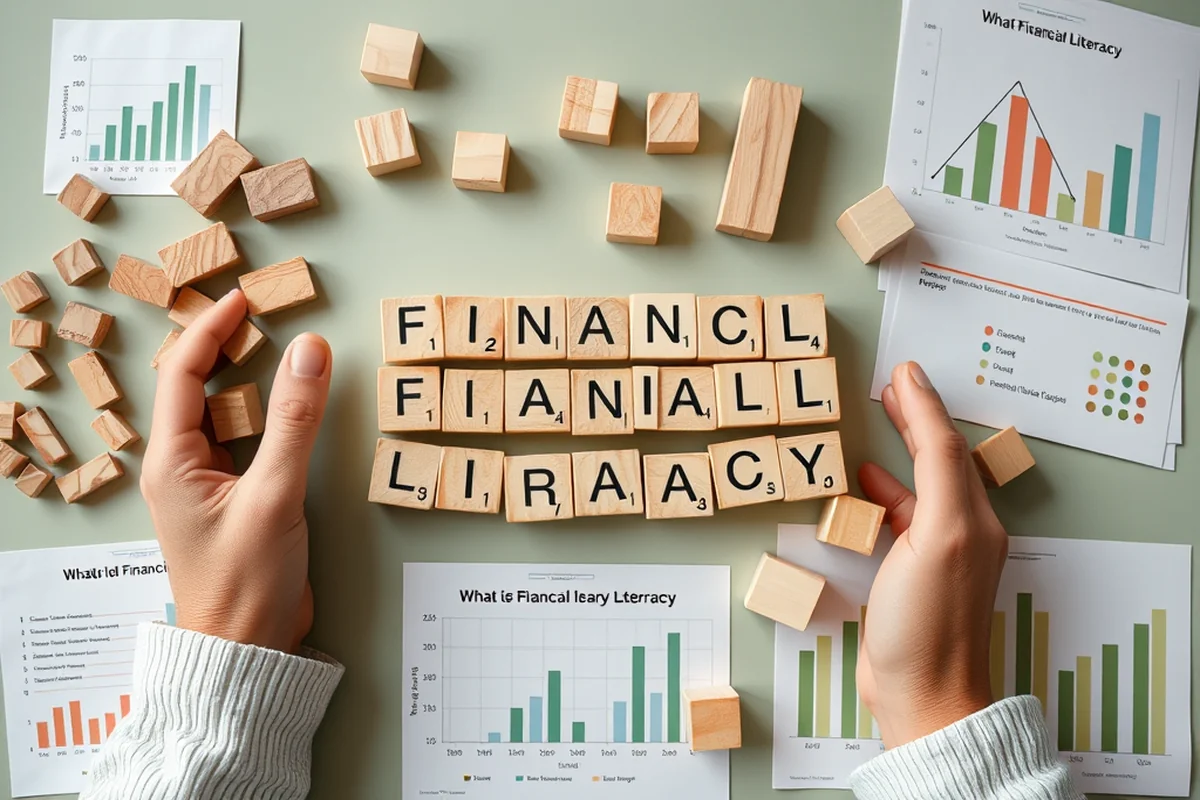
Education isn’t just about reading, writing, and arithmetic. It’s also about understanding how to manage your money. Financial literacy is an important part of a well-rounded education because it equips students with the skills they need to handle the real world. I’ve seen so many students struggle with financial decisions because they didn’t learn about money management in school.
For example, I know a college student who had no idea how to budget his money. He ended up with thousands in student debt, and it took him years to pay it off. That’s when he realized that financial literacy should be part of every student’s education.
Financial literacy is not just about avoiding debt—it’s about building a foundation for a secure financial future. It’s an essential skill that every student should learn, no matter their background or goals.
Financial Literacy and the Real World
In the real world, money is everywhere. From rent to groceries, from credit cards to investments, every decision you make has a financial impact. Financial literacy helps you understand those impacts and make better choices. I’ve seen so many people struggle with money because they didn’t know how to manage it. That’s why it’s so important to learn about financial literacy early.
For example, I once knew someone who couldn’t afford to buy a house because she didn’t understand mortgage rates. She was overpaying for years until she finally learned about financial literacy and realized she could save thousands of dollars by making smarter choices.
Financial literacy is like a map. It helps you handle the financial landscape and find the best path for your future. Without it, you’re just wandering in the dark, hoping for the best.
The Long-Term Benefits of Financial Literacy
One of the most important benefits of financial literacy is long-term financial stability. It helps you make better decisions today that can lead to a more secure future. I’ve met people who have been able to retire early because they made smart financial choices. That’s the power of financial literacy.
For example, I know a teacher who started saving for retirement at 25. By the time she was 50, she had a comfortable nest egg. That’s the kind of outcome you can achieve with financial literacy. It’s not just about today—it’s about the future. (30%, aspe.hhs.gov)[3]
Financial literacy gives you the tools to build a secure financial future. It helps you avoid debt, save for retirement, and make smart investment choices. That’s the kind of stability that leads to peace of mind and a better quality of life.
Smart choices today lead to a better tomorrow.
Financial Literacy in Everyday Life
Financial literacy isn’t just about big decisions like buying a house or starting a business. It’s also about everyday choices—like how much you spend on groceries, whether you should use a credit card, or how to save for the future. These small choices add up over time and can make a big difference in your financial life.
For example, I’ve learned that even small savings habits can have a big impact. I now save a little bit from every paycheck, and over time, those savings add up. That’s the kind of power that financial literacy gives you.
Financial literacy is a skill that applies to every aspect of your life. It helps you make better decisions, avoid debt, and build a secure financial future. That’s the kind of life-changing power that financial literacy provides.
🧑🤝🧑 Financial Literacy for Younger Kids
Introduce basic concepts like saving and spending through simple games and activities.
🎓 Financial Literacy for Older Teens
Explore more advanced topics like investing, credit, and long-term financial planning.
🪄 No-Prep Financial Literacy
Learn the basics of financial literacy without any materials or preparation.
👥 Group Financial Literacy Activities
Participate in interactive group activities that teach financial literacy in a fun and engaging way.
🚀 Financial Literacy Extension Activities
Take your financial literacy skills to the next level with advanced challenges and real-world scenarios.
| The mistake | Why it happens | The fix |
|---|---|---|
| Not understanding credit scores | Many teens don’t know what a credit score is, which can lead to poor financial decisions and difficulty getting loans. | Educate yourself about credit scores and how they affect your financial life. |
| Ignoring budgeting | Ignoring budgeting can lead to overspending, debt, and financial stress. | Start by tracking your expenses and creating a simple budget that works for you. |
| Not saving for the future | Not saving for the future can lead to financial instability and missed opportunities. | Set aside a small amount of money each month for savings and invest it wisely. |
| Making impulsive purchases | Impulsive purchases can lead to overspending and financial stress. | Take time to think before making a purchase, and only buy things you really need. |
What Is Financial Literacy
Common Questions
Why is financial literacy important for teens?
How can I start learning about financial literacy?
What are the long-term benefits of financial literacy?
How does financial literacy help with everyday life?
References
- Facts About Youth Financial Knowledge & Capability (youth.gov)
- Grades K–12 Financial Literacy Resources (cde.ca.gov)
- Consumer Education Initiatives in Financial and Health Literacy (aspe.hhs.gov)
Cite this guide
Financial Literacy for Teens (2026). What Is Financial Literacy. https://cashcourage.com/what-is-financial-literacy/
Feel free to cite or share this guide.