
Financial Literacy Budgeting And Saving For Beginners

📖 Table of Contents
- Why Budgeting Matters — Even If You’re Just Starting Out
- The Magic of Setting Goals — And How to Stick to Them
- The Power of Automating Your Savings — Why It Works Better Than You Think
- The Importance of Tracking Your Expenses — What I Learned the Hard Way
- The Role of Emergency Funds — Why You Need One — Even If You’re Just Starting Out
- Make It Your Way
- Frequently Asked Questions
I remember the first time I tried to track my spending. I was 17, working a part-time job, and I had no idea where my money was going. I’d buy snacks, then forget I’d spent $10 on them by the time I got home. It wasn’t until I sat down with a notebook and a pen that I realized I was spending $200 a month on things I didn’t need. That moment was a wake-up call — and it’s why I’m writing this. Financial literacy budgeting and saving for beginners isn’t just about avoiding debt; it’s about learning to make your money work for you.[1]
Back then, I didn’t know the difference between a budget and a wish list. I thought saving was something only rich people did. But now, after years of trial and error, I can honestly say that understanding how to budget and save has changed my life. It’s not about strict rules or deprivation — it’s about awareness, planning, and making small, consistent choices that add up over time. Whether you’re just starting out or you’re looking for a refresher, this article will give you the tools to take control of your finances.
The truth is, financial literacy budgeting and saving for beginners is one of the most valuable skills you can learn. It’s not just about money — it’s about freedom, security, and the ability to make choices that align with your goals. I’ve met so many teens and young adults who feel overwhelmed by the idea of managing their money, but I promise you: it’s not as hard as it seems. With a few simple steps, you can start building a strong financial foundation that will serve you for years to come.
Why You'll Love This Article
- Simple, actionable steps for creating your first budget
- Real-world examples to help you avoid common mistakes
- Expert advice on how to build a savings habit, even with a small income
- Motivational tips to keep you on track and feeling in control
Why Budgeting Matters — Even If You’re Just Starting Out
As of November 2026, when I first started budgeting, I didn’t know where to begin. I had no idea how much I should be spending on food, entertainment, or transportation. But once I began tracking my expenses, I saw patterns — and I realized I was overspending on things I didn’t actually need. This is the power of budgeting: it gives you clarity and control.
A simple budget can be as basic as a spreadsheet with three columns: income, expenses, and savings. You list all your earnings, then subtract your expenses, and what’s left is your savings. It might sound simple, but this is where the real learning begins. Over time, you’ll notice what’s working and what needs to change.
I’ve seen so many teens struggle with budgeting, and the main issue is that they think it’s too complicated. But in reality, it’s about making small, consistent choices. I now use a budgeting app that syncs with my bank account, and it’s helped me stay on top of my spending without constantly checking my phone.
Even if you can only track your spending for a week at first, start there. The key is to build a habit that you can stick with over time.
The Magic of Setting Goals — And How to Stick to Them
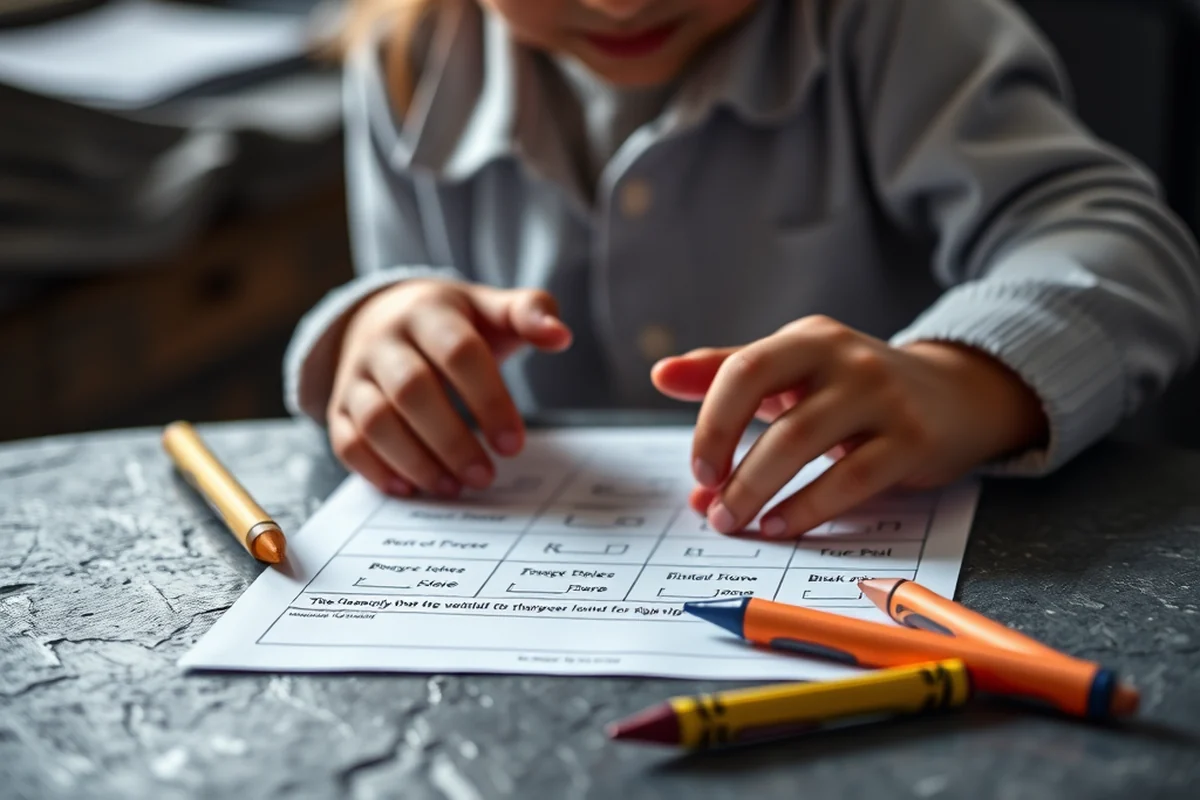
When I first started saving, I didn’t have any real goals. I just wanted to save money, but I didn’t know why. That changed when I set a specific goal: buying a used laptop for college. Suddenly, I had a reason to save, and I started being more mindful of my spending.
Setting goals can be as simple as saving for a new phone, buying a concert ticket, or even just building an emergency fund. The key is to make your goals specific, measurable, and achievable. I always use the SMART goal framework — Specific, Measurable, Achievable, Relevant, and Time-bound.
One of the hardest parts of saving is staying motivated, but when I had a clear goal in mind, it made all the difference. I used a savings tracker app that allowed me to see how close I was to reaching my goal — and it was incredibly motivating.
Goals are the compass that keeps you on track when the path gets confusing.
Related: What s the definition of financial literacy
The Power of Automating Your Savings — Why It Works Better Than You Think
One of the biggest mistakes I made early on was relying on my willpower to save. I’d tell myself I’d put money into my savings account every week, but more often than not, I’d forget or spend it instead. That changed when I set up automatic transfers from my checking account to my savings account.
Automating your savings is one of the easiest and most effective ways to build wealth. I now have a direct deposit from my part-time job that goes straight into my savings account before I even see the money. This way, I’m not tempted to spend it on anything else.
If you’re just starting out, even saving $5 a week can make a big difference. I now use a budgeting app that allows me to set up automatic transfers, and it’s helped me save over $1,000 in just a few months.
Automate your savings as soon as you start earning. It’s the easiest way to ensure that you’re consistently saving without thinking about it.
“I remember the first time I tried to track my spending.”— Financial Literacy for Teens editors
Related: Financial literacy vs personal finance
The Importance of Tracking Your Expenses — What I Learned the Hard Way
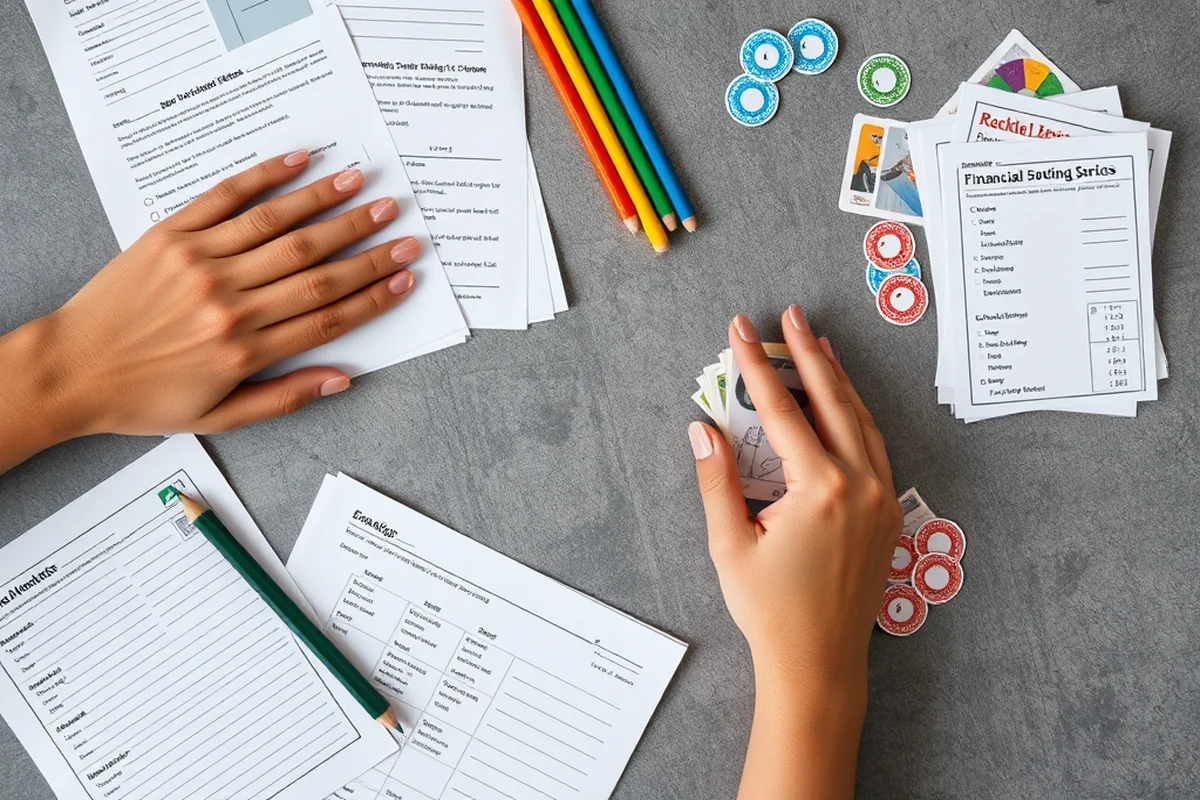
I used to think that budgeting was about restricting my spending, but the truth is, it’s about understanding it. I started tracking my expenses using a simple Excel sheet, and what I found was shocking. I was spending over $100 a month on things I didn’t even need — things like fast food, impulse buys, and unnecessary subscriptions.[2]
Tracking your expenses is one of the most eye-opening steps you can take in your financial journey. Once you know where your money is going, you can make informed decisions about where to cut back. I now use a budgeting app that allows me to categorize my expenses and see exactly where my money is being spent.
One of the biggest realizations I had was that I was spending more on things I didn’t value. Once I started tracking my expenses, I was able to cut back on things like dining out and buying new clothes every month. This not only helped me save money but also gave me more control over my finances.
Related: What is financial empowerment
The Role of Emergency Funds — Why You Need One — Even If You’re Just Starting Out
When I was 18, I had a flat tire and had to pay for a tow truck, which cost me $150. I hadn’t saved anything yet, and I had to borrow money from a friend to cover the cost. That experience taught me the importance of having an emergency fund.
An emergency fund is money that you save specifically for unexpected expenses, like medical bills, car repairs, or job loss. I now have a small emergency fund — about $500 — that I keep in a separate savings account. This way, I’m prepared for any surprises that might come my way.
The key to building an emergency fund is to start small and be consistent. Even saving $20 a month can add up over time. I now use a budgeting app that helps me track my emergency fund and reminds me to keep contributing to it regularly.
💰 Younger Kids' Budgeting Game
A hands-on activity that teaches younger kids the basics of budgeting through play and simple tracking.
🎓 High School Budgeting Challenge
A structured challenge for older teens to practice budgeting with real-life scenarios and goals.
📘 No-Prep Budgeting Journal
A ready-to-use journal that allows kids to track their spending and savings without any setup.
🤝 Group Budgeting Activity
A collaborative activity where students work together to create a shared budget and track their collective spending.
📈 Advanced Budgeting Workshop
An in-depth workshop that covers more complex budgeting concepts, including investing and long-term financial planning.
| The mistake | Why it happens | The fix |
|---|---|---|
| Not tracking expenses | Without tracking your spending, you can’t see where your money is going — and you may end up overspending without even realizing it. | Start using a budgeting app or a simple spreadsheet to track your income and expenses. |
| Setting unrealistic goals | If your goals are too ambitious or not specific, you may become discouraged and give up before making progress. | Set small, achievable goals and track your progress regularly to stay motivated. |
| Putting off budgeting | Waiting until you have more money or until you feel ready can lead to financial stress and missed opportunities to build good habits. | Start budgeting as soon as you begin earning money — even if you’re just starting out. |
| Not automating savings | Relying on willpower to save is risky — you may forget or choose to spend the money instead. | Set up automatic transfers to your savings account to ensure you’re consistently saving without thinking about it. |
Related: Financial literacy vs financial stability
Financial Literacy Budgeting And Saving For Beginners
Related: What is personal finance
Common Questions
How can I start budgeting if I don’t have a lot of money?
What should I do if I keep overspending despite having a budget?
How can I stay motivated to save money?
Is it really possible to save money on a tight budget?
References
Cite this guide
Financial Literacy for Teens (2026). Financial Literacy Budgeting And Saving For Beginners. https://cashcourage.com/financial-literacy-budgeting-and-saving-for-beginners/
Feel free to cite or share this guide.
Money Confidence Starter Plan
Pick the money topics you feel least sure about and how much time you have. Get a short, ordered learning plan with a worksheet each week.
Open it free →