Financial Literacy Basics For Teens
📖 Table of Contents
When I was 16, I opened my first savings account and deposited $100 from a summer job. I had no idea how that small act would shape the way I thought about money, decisions, and my future. It was the first step into a world of financial literacy basics for teens, and it changed everything. That $100 didn’t just sit in a bank—it taught me about interest, responsibility, and the power of small, consistent choices.[1]
Today, I wish I had known more about budgeting, investing, and debt at that age. I wish I had been taught how to track expenses, how to save for emergencies, and how to avoid the pitfalls of credit cards. But I didn’t have that knowledge back then. That’s why I created this guide on financial literacy basics for teens: to give young people the tools they need to make smart money decisions, even when it feels overwhelming.
Financial literacy basics for teens isn’t just about numbers—it’s about empowerment. It’s about understanding that every dollar you earn, save, or spend has long-term consequences. It’s about knowing that with the right habits and mindset, you can build financial confidence, avoid debt, and set yourself up for a future full of opportunity.
Why You'll Love This Guide
- Gain practical skills to manage money now and in the future.
- Learn how to save, spend, and invest with confidence.
- Avoid common financial pitfalls with real-world examples.
- Receive actionable steps that you can start using immediately.
Understanding Income and Expenses
As of September 2026, when you earn money—whether from a job, allowance, or a side hustle—it’s called income. Expenses are the things you spend that money on, like groceries, entertainment, or savings. Keeping track of both is crucial. I started using a simple spreadsheet to track where my money went, and it helped me see where I could cut back and where I should invest more.
For example, I found that I was spending $50 a month on snacks and drinks that I didn’t really need. By cutting that out, I was able to save an extra $600 over the year. It’s a small change, but it adds up. I recommend starting with a basic budgeting app or even a paper journal. You don’t need anything fancy—just consistency.
One of the hardest parts is admitting where you’re overspending. It’s uncomfortable, but it’s necessary. I once spent $200 on a concert I didn’t really want to go to, and it made me realize how easy it is to make impulsive decisions. Now, I always wait 24 hours before spending anything over $50.
Split your income into 50% for needs, 30% for wants, and 20% for savings and debt. This helps you balance spending and saving effectively.[2]
Part of our Teens chad guide.
The Power of Compound Interest
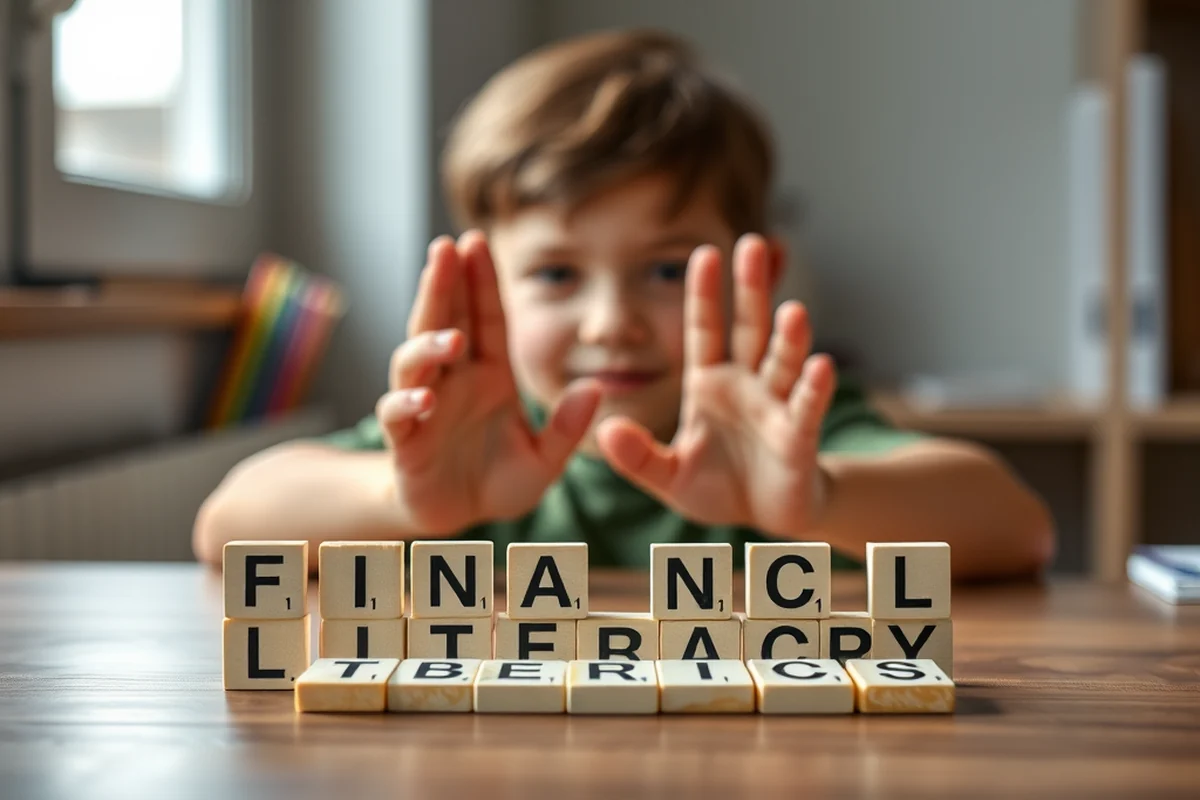
I remember thinking that $100 in a savings account wouldn’t do much. But after learning about compound interest, I realized that even small amounts can grow significantly. If you save $100 a month starting at age 16 and earn 5% interest, by age 30, you’ll have over $20,000. That’s incredible.
Compound interest works by earning interest on your original savings and the interest you’ve already earned. It’s like a snowball that keeps growing as it rolls. I started a savings account specifically for future goals, like college or a car, and now I see the difference it’s making.
The key to compound interest is time. The earlier you start, the more time your money has to grow. I wish I had known this when I was 16. But even starting now can make a big difference. Just don’t wait too long.
Time is the best friend of compound interest.
Related: Financial literacy for college students
Related: Financial literacy for teens amazon
Related: Financial literacy for teens games
Related: Which states require financial literacy in high school
Related: Should financial literacy be taught in school
Setting Financial Goals
When I was 18, I set a goal to save $1,000 for a trip to Europe. It forced me to be more disciplined with my money and to prioritize saving. I made a list of what I needed to save, how much I could afford each month, and when I’d reach my goal. It worked.
Financial goals can be short-term or long-term. Short-term goals might be saving for a phone or a concert ticket. Long-term goals could be buying a car, paying for college, or starting a business. I recommend writing down your goals and reviewing them monthly.
I also learned to break big goals into smaller, manageable steps. Instead of aiming to save $5,000 in a year, I focused on saving $100 a month. It made the goal feel more achievable and less overwhelming.
Divide large financial goals into monthly or weekly targets to make them more manageable and less intimidating.
“When I was 16, I opened my first savings account and deposited $100 from a summer job.”— Financial Literacy for Teens editors
Understanding Credit and Debt
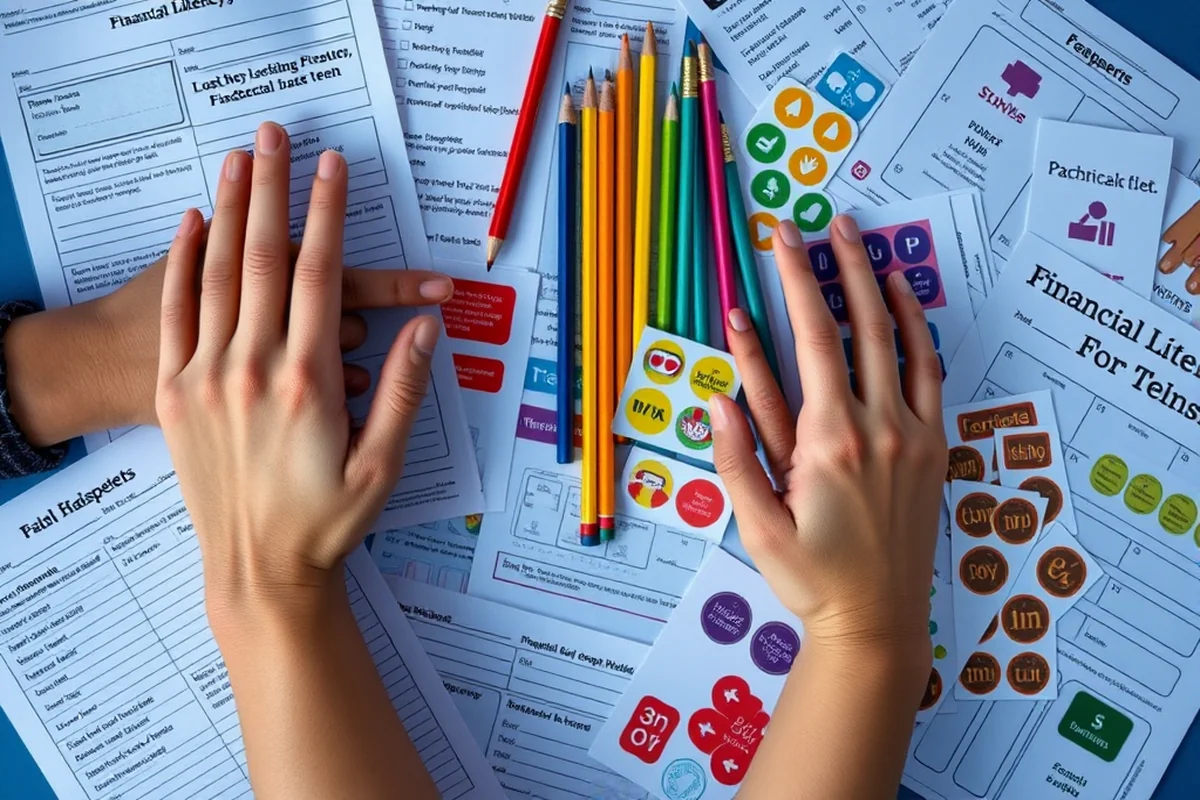
Credit cards, student loans, and other forms of debt are a part of life, but they can be tricky to manage. When I first got a credit card, I didn’t understand the difference between a balance and a credit limit. I used it to buy things I couldn’t afford, and it led to a lot of stress and debt.
Credit is like a loan you receive from a bank. If you don’t pay it back, it can hurt your credit score, making it harder to get loans, rent an apartment, or even get a job. I made a mistake by not paying my credit card bill on time, and it affected my ability to get a car loan for a few years.
The key is to use credit responsibly. Only spend what you can afford to pay back, and always pay your bill on time. If you can’t afford to pay, don’t use the card at all. I now use cash or a debit card for things I might be tempted to buy on credit.
Avoiding Common Financial Mistakes
I’ve seen so many teens make the same mistakes: overspending, not saving, and not understanding credit. One of the worst mistakes I see is using a credit card for things like video games or concert tickets. It’s easy to say, ‘I’ll pay it back later,’ but that ‘later’ can become a long time.
Another common mistake is not having an emergency fund. Life is unpredictable, and unexpected expenses can come up—like car repairs, medical bills, or a broken laptop. I had no emergency fund when my car broke down, and it forced me to take out a loan I couldn’t afford to pay back.
The best way to avoid these mistakes is to be proactive. Set financial goals, track your expenses, and build an emergency fund. It might seem tedious, but it’s worth it. I now have $500 in my emergency fund, and it gives me peace of mind.
Investing for the Future
When I first heard the word ‘investing,’ I thought it was only for rich people. But I learned that even small amounts can make a big difference. I started with a Roth IRA, and even though I only contributed $100 a month, it’s grown significantly over time.
Investing involves buying stocks, bonds, or mutual funds with the goal of growing your money. It’s not guaranteed, but it has the potential for high returns. I now invest a portion of my income each month, and I’ve watched my account grow steadily.
The key is to start early and stay consistent. Even if you can only invest $50 a month, it adds up over time. I recommend researching different investment options and choosing ones that align with your financial goals.
Investing is the best way to build wealth over time.
Building Financial Confidence
I used to feel anxious about money, but now I feel empowered. I’ve learned how to budget, save, and invest, and it’s given me the confidence to make better financial decisions. I recommend practicing financial skills regularly, even if it’s just tracking your expenses for a week.
Financial confidence also comes from learning and asking questions. I used to be afraid to talk about money with my parents, but now I ask them about things like credit, taxes, and investing. It’s helped me understand how money works in the real world.
The more you learn and practice, the more confident you’ll become. I now teach financial literacy to other teens, and it’s one of the most rewarding things I’ve ever done. It’s a win-win: I help others and I reinforce my own knowledge.
📊 Budgeting for Beginners
A simple introduction to budgeting with real-life examples and tips for tracking expenses.
📈 Investing for the Future
An overview of different investment options and how to start investing with small amounts.
🚫 Avoiding Debt
Tips and strategies to avoid credit card debt and other financial pitfalls.
💰 Saving for Goals
How to set and achieve financial goals, whether it’s for a car, college, or a trip.
💳 Understanding Credit
A guide to credit cards, credit scores, and how to use credit responsibly.
| The mistake | Why it happens | The fix |
|---|---|---|
| Ignoring credit card debt | Credit card debt can accumulate quickly and have long-term financial consequences. | Use a budgeting app to track your spending and pay your bill on time. Consider paying off your balance in full each month. |
| Not saving for emergencies | Unexpected expenses can arise at any time, and not having an emergency fund can lead to financial stress. | Start saving a small amount each month, even if it’s just $10. Over time, it will add up. |
| Overspending on wants | Spending too much on non-essential items can lead to debt and financial instability. | Use the 50/30/20 rule to balance your spending and prioritize saving and investing. |
| Not understanding compound interest | Not knowing how compound interest works can prevent you from making the most of your savings and investments. | Research compound interest and start saving early to take advantage of its long-term benefits. |
Financial Literacy Basics For Teens
Common Questions
How can I start learning about personal finance?
What is the best way to save money as a teen?
How can I avoid credit card debt?
What should I do if I’ve already made financial mistakes?
References
- Financial Literacy Toolkit and User Guide (education.ne.gov)
- Healthy Relationships and Financial Stability - GovInfo.gov (govinfo.gov)
Cite this guide
Financial Literacy for Teens (2026). Financial Literacy Basics For Teens. https://cashcourage.com/financial-literacy-basics-for-teens/
Feel free to cite or share this guide.