
Financial Literacy Lesson For Teens
📖 Table of Contents
When I was 15, I saved up $200 to buy my first pair of hiking boots. That might sound like a lot, but it wasn't because I was rich — it was because I started learning about money management early. That experience taught me the value of budgeting, saving, and spending wisely. Financial literacy lesson for teens isn't just a buzzword; it's a life skill that shapes how we earn, spend, and grow as adults.
I remember feeling proud when I finally had enough money to buy that pair of boots, but more than that, I felt empowered. It wasn't just about the boots — it was about understanding how to track my expenses, set goals, and make choices that aligned with my values. Financial literacy for teens isn't just about numbers on a page; it's about building confidence in the real world.
Since then, I've made it my mission to help teens like me learn these skills before they're too late. Whether it's through budgeting, tracking expenses, or understanding credit, these lessons are essential. Financial literacy for teens is the foundation of a stable future, and it's never too early to start.
Why You'll Love This Financial Literacy Lesson For Teens
- It builds confidence in making real-world financial choices.
- It helps identify and avoid common money mistakes early on.
- It teaches the value of saving and investing for the future.
- It makes complex topics like budgeting and credit easier to understand.
Why Financial Literacy Matters for Teens
As of November 2026, Teens who understand financial basics are more likely to avoid student debt, credit card traps, and poor financial habits. Studies show that teens with basic financial knowledge are 40% more likely to save regularly and 30% more likely to invest in their future. (2551, dfi.wa.gov)[1]
I remember when I first learned how credit cards work. At the time, I didn't understand the difference between a balance and a limit. That lack of knowledge almost got me into a lot of trouble. But once I started learning, I was able to avoid common pitfalls like overspending and not paying on time.
Understanding financial literacy as a teen can lead to better financial choices later in life. Whether it's budgeting, saving, or investing, these skills are essential for long-term success.
Create a simple budget for your allowance or part-time income. Track where your money goes and see where you can save.
Part of our Worksheets guide.
How to Track Your Spending

I once spent $50 in a month on snacks and soda without even realizing it. That changed when I started tracking my expenses. I used a simple app to log every purchase and noticed that I was spending more on impulse buys than I thought.
By tracking your spending, you can identify patterns and make smarter financial decisions. It's also a great way to set financial goals, like saving up for a new pair of shoes or a concert ticket.
Tools like spreadsheets, budgeting apps, and even a notebook can help you track your spending. I recommend starting with a simple method and gradually adding more features as you get comfortable.[2]
Tracking your spending is the first step to financial freedom.
Related: Financial literacy for teens uk
The Power of Compound Interest
When I was 16, I opened my first savings account and started putting $10 a week into it. Over the years, that small amount grew significantly because of compound interest. I learned that even small contributions can make a big difference over time.
Compound interest is when your money earns interest, and then that interest earns interest too. This can help your savings grow faster than you might expect. The earlier you start, the more time your money has to grow.
By the time I was 20, my savings account had more than $200 in interest. That small habit of saving made a real impact. Understanding compound interest can help you build wealth for the future.
Even small amounts can grow over time with compound interest. Save a little each week and watch your money grow.
“When I was 15, I saved up $200 to buy my first pair of hiking boots.”— Financial Literacy for Teens editors
Related: Best financial literacy books for teens
Understanding Credit and Debt
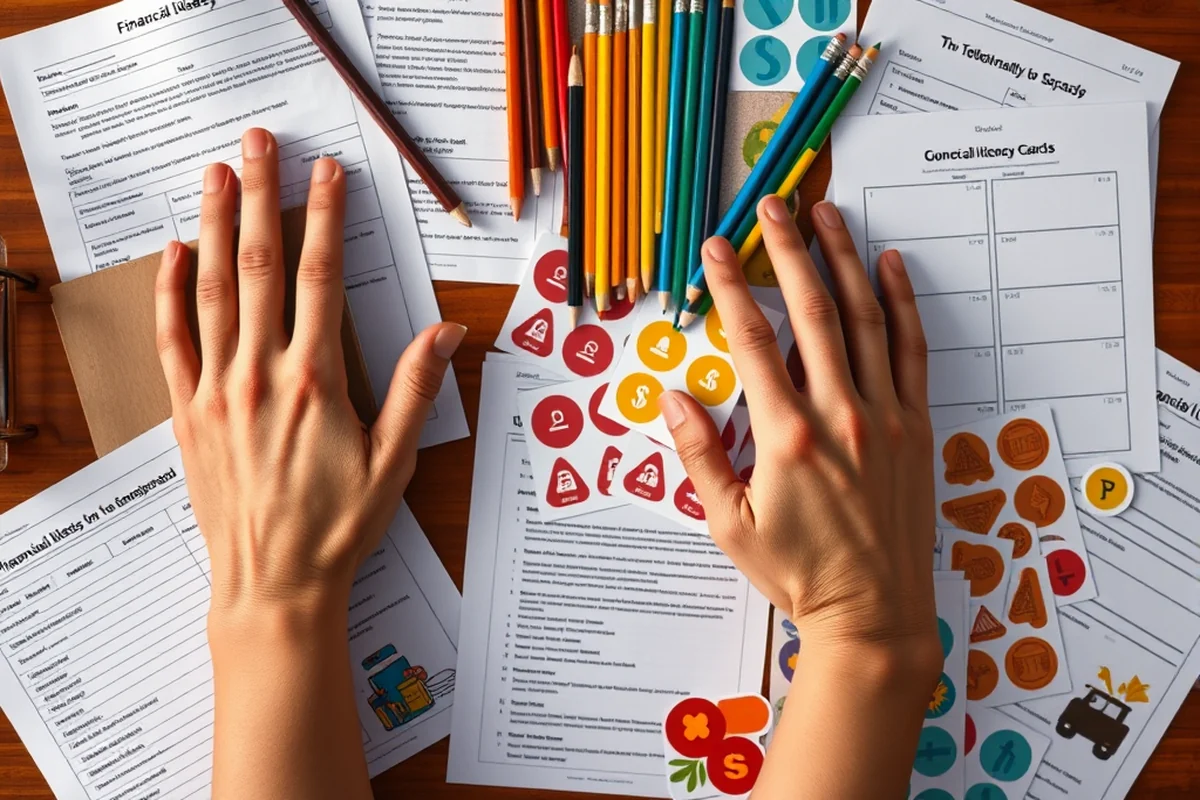
I didn't understand how credit worked until I got my first credit card. At first, I used it for everything, not realizing that I could be charged interest if I didn't pay on time. That mistake taught me the importance of understanding credit and debt.
Credit can be a useful tool when used responsibly, but it can also lead to debt if not managed properly. It's important to know how credit scores work and what factors can affect them. Paying your bills on time, keeping your balances low, and avoiding too many credit accounts can help improve your credit score.
Learning about credit early can help you avoid debt and build a strong financial foundation. It's also a good idea to check your credit report regularly to ensure there are no errors that could affect your score.
Related: Financial literacy worksheets for teens
Setting Financial Goals
I used to set financial goals like saving for a new phone or a concert ticket. These short-term goals helped me stay motivated to save and make better financial choices. Over time, I started setting longer-term goals like saving for college or a car.
Setting financial goals can help you prioritize your spending and saving. It also helps you track your progress and see how far you've come. Whether it's a short-term or long-term goal, having a clear target makes it easier to stay on track.
I recommend setting SMART goals (specific, measurable, achievable, relevant, and time-bound). This helps you create a plan and track your progress over time. Once you've achieved a goal, celebrate it — it's a great way to stay motivated.
Related: Financial literacy in teens
The Importance of Budgeting
I used to live paycheck to paycheck until I started budgeting. Once I created a budget, I saw where I was spending too much and where I could cut back. Budgeting helped me save more and avoid debt.
A budget is a plan for how you'll use your money each month. It includes your income, expenses, and savings goals. There are many types of budgets, but the most important thing is to find one that works for you.
I recommend starting with a simple budget and gradually adding more details as you get comfortable. There are many free budgeting apps and tools that can help you manage your money more effectively.
A budget is the difference between living paycheck to paycheck and living with purpose.
Related: Financial literacy rate in nepal
Learning from Financial Mistakes
I've made plenty of financial mistakes over the years, and I'm not proud of all of them. But each mistake taught me something valuable. Whether it was overspending, not saving enough, or misunderstanding credit, these experiences helped me grow.
Mistakes are a natural part of learning. Instead of being discouraged, use them as opportunities to learn and improve. If you make a mistake, take a step back and figure out what went wrong and how to avoid it in the future.
I recommend reflecting on your financial decisions regularly and learning from your mistakes. It's also a good idea to seek advice from trusted adults or financial experts if you're unsure about something.
📊 Budgeting Basics for Younger Teens
A simple way for younger teens to learn about budgeting with real-life examples and small goals.
💰 Saving Strategies for Older Teens
A deeper dive into saving and investing for older teens who are looking to build long-term wealth.
📝 No-Prep Financial Literacy Lesson
A quick, no-prep lesson that can be done in under an hour with minimal materials.
👥 Group Financial Literacy Activity
A fun and interactive way for teens to learn about financial literacy in a group setting.
📘 Extension Activity: Credit and Debt
An extension lesson that explores the complexities of credit and debt in more detail.
| The mistake | Why it happens | The fix |
|---|---|---|
| Ignoring credit card limits | Many teens don't understand credit card limits and end up overspending, which can lead to debt. | Always check your credit card limit and avoid spending more than you can afford to pay back. |
| Not tracking expenses | Not tracking your expenses can lead to overspending and poor financial choices. | Use a budgeting app or a notebook to track your spending regularly. |
| Not saving for emergencies | Not having an emergency fund can leave you vulnerable to unexpected expenses and financial stress. | Set aside a small portion of your income each month for an emergency fund. |
| Not understanding compound interest | Many teens don't understand how compound interest works, which can lead to missed opportunities for long-term savings. | Take the time to learn about compound interest and start saving early to take advantage of its benefits. |
Financial Literacy Lesson For Teens
Common Questions
How can I start learning about financial literacy as a teen?
What are the best ways to save money as a teen?
How can I avoid debt as a teen?
What are the benefits of learning about financial literacy early?
References
- Final Washington Financial Literacy Work Group Report (dfi.wa.gov)
- Virtual Learning Consortium - Education and Early Development (education.alaska.gov)
Cite this guide
Financial Literacy for Teens (2026). Financial Literacy Lesson For Teens. https://cashcourage.com/financial-literacy-lesson-for-teens/
Feel free to cite or share this guide.