
Financial Literacy In Easy Words
📖 Table of Contents
- What Is Financial Literacy, Anyway?
- Why Financial Literacy Matters for Teens
- Budgeting for Teens: How to Do It the Easy Way
- The Power of Saving: Why It Matters Now
- Shopping Smart: How to Avoid Overspending
- Understanding Credit: A Teen’s Guide
- Financial Literacy in Real Life: What It Looks Like
- Make It Your Way
- Frequently Asked Questions
I remember standing in a grocery store aisle, trying to figure out which cereal was worth buying. I was 15, and the labels were confusing. I didn’t know what 'net carbs' meant or why some boxes cost twice as much. That moment taught me that financial literacy isn’t just about money—it’s about understanding how to make smart choices in everyday life. It’s about knowing how to read a label, compare prices, and make decisions that save time and money. That’s where financial literacy in easy words comes in.
Financial literacy in easy words is about breaking down complex ideas into simple, actionable steps. It’s not about jargon or complicated formulas. It’s about knowing how much your lunch costs each week, how long it takes to save for a bike, or how to track your spending without a calculator. It’s about giving teens the tools to feel confident with money, not overwhelmed by it. It’s about real-life skills that you can use now and carry into adulthood.
I’ve seen what happens when kids don’t have these tools. My cousin, who’s two years younger than me, once bought a video game that cost $60 because he thought it was on sale. He didn’t check the original price or compare it to other games. A few months later, he was still paying for it in installments. That’s not a story we want for teens. Financial literacy in easy words is about preventing that kind of mistake and empowering kids to make better choices, faster.
Why You'll Love This Guide
- It uses simple language and real-life examples that resonate with teens.
- It breaks down complex financial ideas into easy-to-understand steps.
- It gives actionable tips that you can use immediately.
- It covers topics like budgeting, saving, and shopping smart.
What Is Financial Literacy, Anyway?
As of September 2026, Financial literacy is like learning how to ride a bike. At first, it feels wobbly and confusing. But once you get the hang of it, it becomes second nature. It starts with simple things like knowing how much your weekly lunch costs or how much money you need to save for a concert ticket. It’s about making smart choices with money, not just spending it recklessly.
For teens, financial literacy is especially important. Many teens earn money through chores, part-time jobs, or allowance. But without knowing how to manage that money, it can quickly disappear on impulse purchases or unnecessary expenses. That’s why it’s crucial to learn the basics early on. Understanding what a budget is, how to track your spending, and how to save for something you want can make a huge difference.
One of the best ways to learn financial literacy is by doing. Whether it’s saving up for a new phone, buying a used bike, or even managing a small weekly allowance, every experience is a chance to learn. The more you practice, the more confident you become with your money. And that confidence can last a lifetime.
Don’t feel like you need to become a financial expert overnight. Even small steps, like tracking your spending for a week, can make a big difference in your understanding.
Part of our Literacy important guide.
Why Financial Literacy Matters for Teens
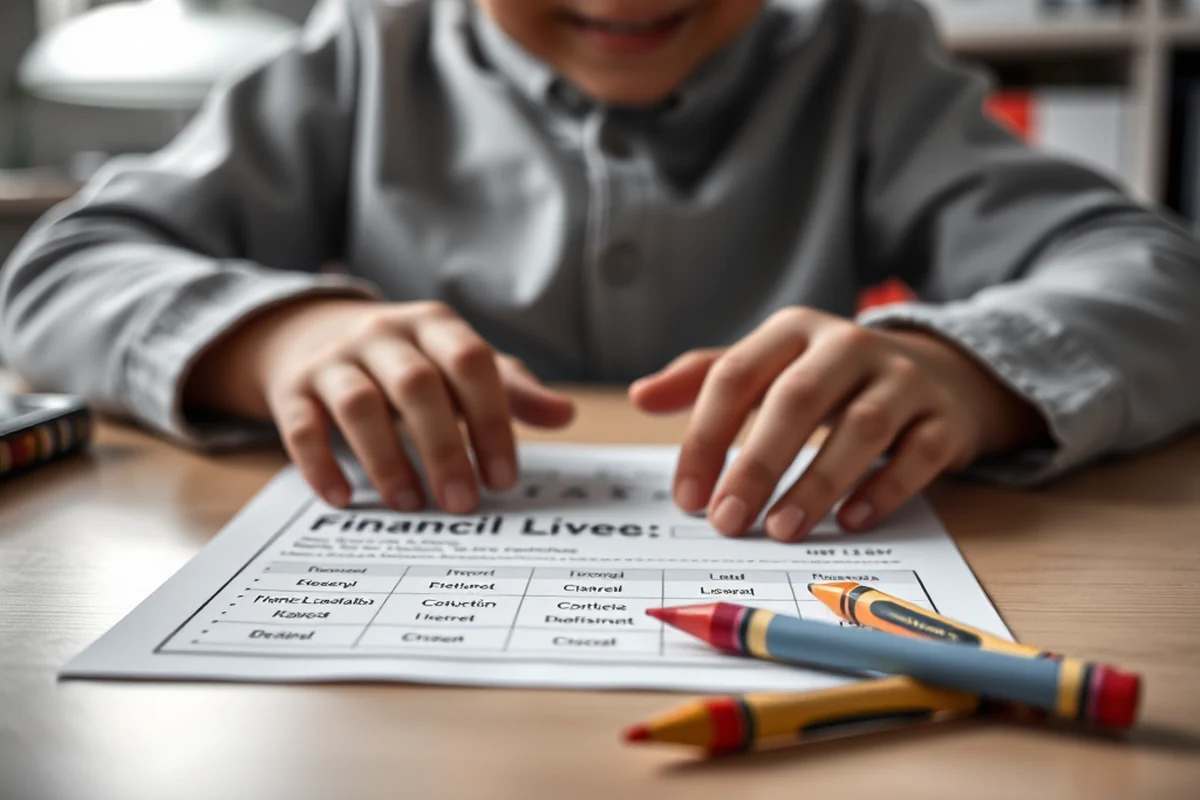
Teens are more likely to make poor financial decisions if they don’t understand how money works. Without proper guidance, they may take on credit card debt, overspend on unnecessary items, or fall into bad spending habits. Learning the basics of financial literacy can help them avoid these pitfalls and make better choices now.
For example, I once knew a friend who used a credit card to buy a concert ticket without realizing she was paying interest. By the time she paid it off, the total cost had more than doubled. That’s a lesson she won’t forget. That’s why it’s important for teens to learn the value of budgeting, saving, and making informed financial decisions.
Financial literacy also helps teens plan for the future. Whether they’re saving for college, a car, or a big purchase, understanding how to manage money can help them achieve their goals faster and with less stress. It’s not just about avoiding mistakes—it’s about building a solid financial foundation for the future.
Knowledge is power, especially when it comes to managing your money.
Related: Khan academy financial literacy reviews
Budgeting for Teens: How to Do It the Easy Way
Budgeting doesn’t have to be complicated. It’s just about knowing where your money is going and making sure it’s being used wisely. One of the easiest ways to start is by keeping track of all your income and expenses for a week. This could be from allowance, part-time jobs, or even money earned from chores.
Let’s say you earn $50 a week from allowance and spend $20 on snacks and $10 on games. That leaves you with $20 to save. That’s a simple way to see where your money is going and how much you can save. You can use a notebook, app, or even a spreadsheet to track your spending. The key is consistency.[1]
I tried this method a few years ago and was shocked at how much money I was spending without realizing it. Once I started tracking my expenses, I was able to cut back on unnecessary purchases and save money for things I actually wanted. It’s empowering to know that with a little planning, you can achieve your financial goals.
There are many free budgeting apps available that can help you track your income and expenses. Some even give you alerts when you’re close to overspending.
“I remember standing in a grocery store aisle, trying to figure out which cereal was worth buying.”— Financial Literacy for Teens editors
Related: Financial literacy financial education and downstream financial behaviors
The Power of Saving: Why It Matters Now

Saving money isn’t just about waiting for a big purchase. It’s about building a habit of putting money aside regularly, no matter how small. Even saving $5 a week can add up to $260 a year. That’s money you can use for something you really want, like a new pair of shoes, a concert ticket, or even a small electronic device.
I started saving money when I was 16 by setting aside 10% of every paycheck I earned. At first, it didn’t seem like much, but over time, the amount in my savings account grew. It became a safety net for unexpected expenses, like when my phone broke and I needed to replace it.
Saving also helps build financial discipline. When you know that a portion of your income is going to savings, it’s harder to spend recklessly. It gives you a sense of control over your money and helps you avoid debt in the future.
Related: Financial literacy for kids summer camp
Shopping Smart: How to Avoid Overspending
It’s easy to get caught up in the excitement of a sale or a new product. But shopping without a plan can quickly lead to overspending. One of the best ways to avoid this is by making a shopping list before heading out and sticking to it.
For example, I once went to the mall with the intention of buying a new hoodie. But once I got there, I saw a pair of shoes on sale and bought them without thinking. A week later, I realized I didn’t need the shoes and felt like I wasted money. That’s why it’s important to think about what you really need before making a purchase.
Another tip is to compare prices before buying something. You can use apps like Google Shopping or price comparison websites to see if you can get a better deal. Even a few dollars saved on each purchase can add up to a lot over time.
Related: Is financial literacy important
Understanding Credit: A Teen’s Guide
Credit is like a loan. When you use a credit card, you’re borrowing money from a bank, and you have to pay it back with interest. If you don’t pay on time, it can damage your credit score, which affects your ability to get loans, rent an apartment, or even get a job in the future.
One of the best ways to build good credit is to start early. Many teens have a credit card or access to a parent’s card. If you do, it’s important to use it responsibly by paying the balance in full each month and avoiding unnecessary purchases.
I once used my dad’s credit card to buy a video game without realizing the interest rate. A few months later, I was surprised to see the bill had grown significantly. That’s a lesson I won’t forget. Understanding credit early on can help you avoid costly mistakes and build a solid financial foundation.
Credit can be a double-edged sword—use it wisely, and it can help you; use it carelessly, and it can hurt you.
Related: Financial literacy events
Financial Literacy in Real Life: What It Looks Like
Financial literacy isn’t just about books or classroom lessons. It’s about applying what you’ve learned in real life. For example, when you’re at the grocery store, you can compare prices, check for discounts, and make sure you’re not buying more than you need.
Another real-life example is planning for a big purchase. If you want to buy a new phone, you can calculate how much you need to save each week based on your income. You can also look for deals or wait for sales to get a better price. This is a great way to practice budgeting and saving in a practical way.
Financial literacy also helps with managing unexpected expenses. If your phone breaks, you can use your savings to replace it without relying on credit. It’s about being prepared and making smart choices, even when things don’t go as planned.
🎒 Younger Kids Version
A simplified version for kids under 12, using colorful visuals and basic math to teach the foundations of saving and spending.
🎓 Older Teens Version
A more advanced version for teens 16+ that includes topics like credit, investing, and long-term financial planning.
⏱️ No-Prep Version
A quick, no-prep activity that can be done in 20 minutes and requires no materials, ideal for busy parents or teachers.
👥 Group Version
A fun, interactive group activity that encourages teamwork and communication while learning about money management.
🚀 Extension Version
An extension activity that challenges teens to plan a budget for a month, track expenses, and save for a larger goal.
| The mistake | Why it happens | The fix |
|---|---|---|
| Not tracking your spending | Not tracking your spending can lead to overspending and unexpected debt. It’s hard to know where your money is going if you don’t keep track. | Start by writing down every purchase, no matter how small, for a week. This will help you see where your money is going and make better choices. |
| Using credit cards for unnecessary purchases | Using credit cards for things you don’t need can quickly lead to debt. If you don’t pay the balance in full, you’ll be charged interest, which can add up over time. | Only use credit cards for necessary purchases, and always pay the balance in full each month. Avoid using them for things you can buy with cash or a savings account. |
| Not setting financial goals | Without clear financial goals, it’s easy to lose track of your spending and savings. You might end up wasting money on things you don’t really need. | Set specific, short-term and long-term financial goals. For example, save $50 in a month for a new pair of shoes, or save $200 in six months for a concert ticket. |
Financial Literacy In Easy Words
Common Questions
How can I start learning about money management as a teen?
What should I do if I can’t afford something I really want?
How can I avoid getting into debt?
What are some good budgeting apps for teens?
References
- Financial Literacy Toolkit and User Guide (education.ne.gov)
Cite this guide
Financial Literacy for Teens (2026). Financial Literacy In Easy Words. https://cashcourage.com/financial-literacy-in-easy-words/
Feel free to cite or share this guide.