
Financial Literacy Budget Worksheets
📖 Table of Contents
- What Are Financial Literacy Budget Worksheets?
- How to Use a Financial Literacy Budget Worksheet
- The Benefits of Using Financial Literacy Budget Worksheets
- Customizing Your Financial Literacy Budget Worksheet
- The Role of Financial Literacy Budget Worksheets in Education
- How to Stay Motivated While Using Budget Worksheets
- Making Financial Literacy Budget Worksheets Fun and Engaging
- Make It Your Way
- Frequently Asked Questions
When I first sat down with my son to create a budget worksheet, I thought it would be a simple task. Little did I know that this exercise would become a cornerstone of our family's financial education. Using financial literacy budget worksheets helped us track our expenses, set savings goals, and understand the value of every dollar we earned and spent. It was a revelation that turned an abstract concept into something tangible and actionable for my child.
The journey of teaching financial literacy to my son wasn't easy, but the use of budget worksheets made it manageable. These tools were more than just paper and ink — they were visual aids that helped us understand where our money was going and how we could improve our spending habits. The first time we filled in a worksheet together, I saw the light bulb go off in his eyes — that moment of realization that money doesn't just appear out of nowhere.
Over time, these financial literacy budget worksheets became a part of our weekly routine. They taught my son to categorize expenses, set realistic goals, and even negotiate with me when it came to buying things he wanted. What started as a simple exercise evolved into a life skill that he now uses on his own. It was a small step, but it made a huge impact on how he thinks about money and how he manages it.
Why You'll Love This Financial Literacy Budget Worksheet
- It makes abstract financial concepts tangible and relatable for teens and young adults.
- It helps build essential life skills like budgeting, saving, and tracking expenses.
- It fosters independence by empowering users to take control of their money from an early age.
- It can be tailored to individual needs and adjusted as users grow and change.
What Are Financial Literacy Budget Worksheets?
As of August 2026, these worksheets are structured to break down income and expenses into manageable categories. They often include sections for income, fixed expenses like rent or car payments, variable expenses like groceries or entertainment, and savings goals. By filling out the worksheets, users can see where their money is going and identify areas where they can cut back.
I used one of these worksheets with my son, and it was eye-opening. We filled in the sections together, and it became clear that a significant portion of our income was going toward things we didn't need. This realization sparked a conversation about spending habits and the importance of saving. The worksheet didn't just help me teach him — it helped us both learn.
The beauty of these worksheets is that they are customizable. You can adjust the categories to fit your specific needs, whether you're tracking a monthly budget or planning for a larger purchase. They're also great for visual learners who need to see their money in action.
Begin with just a few categories like income, fixed expenses, and variable expenses. As you get more comfortable, you can add more sections for savings, debt, and other areas.
Part of our Literacy important guide.
How to Use a Financial Literacy Budget Worksheet

The first step is to gather all your financial information. This includes your income, monthly bills, and any regular expenses. Once you have this information, you can start filling in the worksheet, making sure to be as accurate as possible. It's important to be honest with yourself about where your money is going.
I found that setting aside a specific time each week to go through the worksheet helped me stay on track. It became part of our routine, and over time, we noticed improvements in our spending habits. My son even started setting small savings goals, like saving up for a new bike or a game he wanted.
After filling out the worksheet, it's a good idea to review it and see where changes can be made. This might involve cutting back on unnecessary expenses or increasing your savings contributions. The process is both educational and empowering, as it allows you to take control of your financial future.
A few minutes each week can lead to a lifetime of financial freedom.
Related: Financial literacy vs financial inclusion
Related: Financial literacy budgeting spending and investing
Related: Financial literacy for beginners free
Related: How financial literacy is important
Related: Financial literacy homeschool
Related: Financial literacy homework
The Benefits of Using Financial Literacy Budget Worksheets
One of the most immediate benefits is that these worksheets help you see where your money is going. This awareness is the first step toward making better financial decisions. I noticed that after using the worksheets with my son, we were able to cut our expenses by about 20% in just a few months.[1]
Another benefit is that these worksheets can help you set and achieve financial goals. Whether you're saving for a vacation, a new car, or a college fund, having a clear plan makes it easier to stay on track. My son set a goal to save up for a new video game, and he was able to do it in just a few months by tracking his expenses.
Finally, these worksheets help you build financial discipline. By consistently using them, you learn to make better spending choices and avoid unnecessary debt. Over time, this discipline becomes a habit that stays with you for life.
Set a weekly or monthly schedule to review your worksheet and track your progress. This helps you stay on top of your financial goals and make adjustments as needed.
“When I first sat down with my son to create a budget worksheet, I thought it would be a simple task.”— Financial Literacy for Teens editors
Related: What are financial literacy tools
Related: How much financial literacy in india
Related: National financial literacy campaign reviews yelp
Related: Financial literacy group
Related: Financial literacy australia
Customizing Your Financial Literacy Budget Worksheet
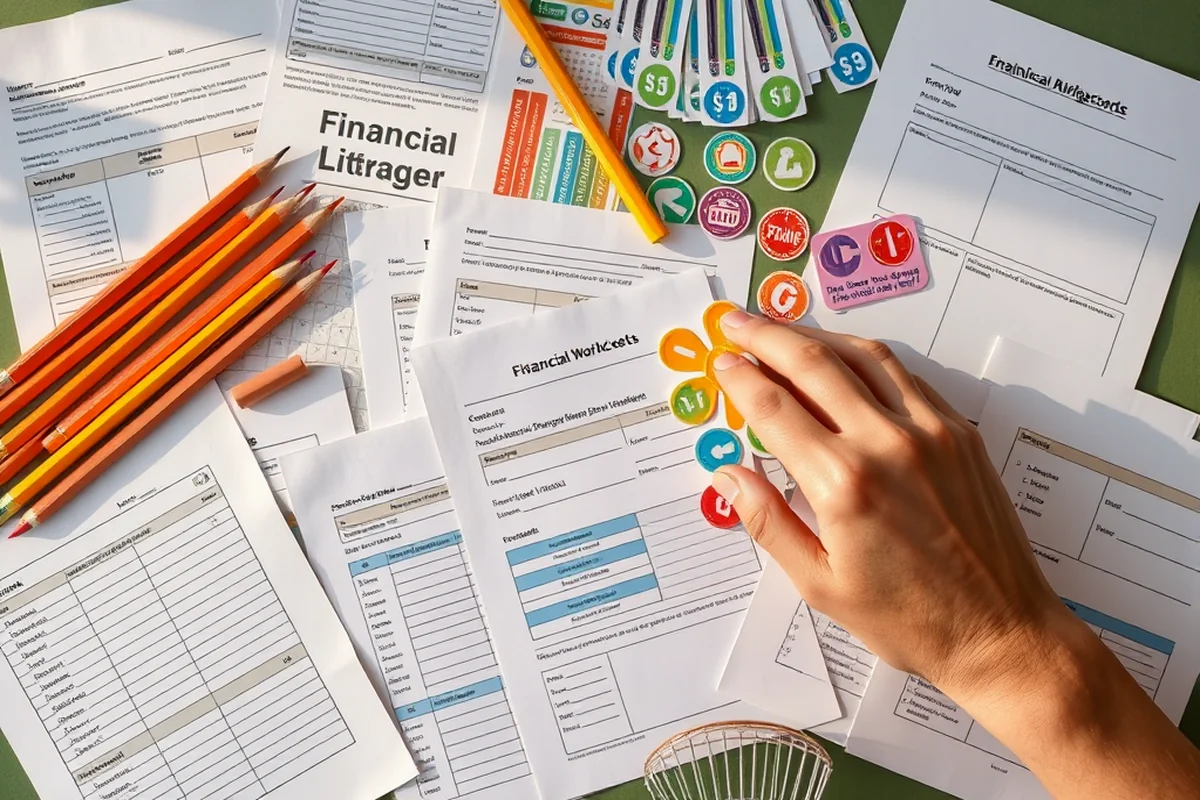
You can tailor your worksheet by adding or removing categories based on your needs. For example, if you're tracking a monthly budget, you might include categories like rent, utilities, and groceries. If you're saving for a specific purchase, you can create a separate section for that goal.
I customized my worksheet to include a section for charitable donations and a savings category for my son's future college fund. This helped us stay focused on our long-term goals while still managing our day-to-day expenses. It also made the process more engaging for my son, who felt like he was contributing to a bigger picture.
You can also use different colors or highlighters to make the worksheet visually appealing and easier to understand. This is especially helpful for visual learners who benefit from seeing their progress in a clear format.
Related: What is basic financial literacy
Related: Khan academy financial literacy reviews
The Role of Financial Literacy Budget Worksheets in Education
In schools, financial literacy budget worksheets are often used to teach students about personal finance, budgeting, and saving. They provide a hands-on way for students to apply what they've learned in the classroom to real-life situations. This makes the learning process more engaging and effective.
I've seen this firsthand in my son's school, where they use budget worksheets to teach students how to manage their money. The teachers report that students who use these worksheets are more likely to save money and make responsible financial decisions later in life.
These worksheets also help students develop important life skills like goal-setting, time management, and critical thinking. By learning to manage their money from an early age, students are better prepared for the financial challenges they'll face as adults.
Related: When is financial literacy week 2026
How to Stay Motivated While Using Budget Worksheets
One way to stay motivated is to set small, achievable goals. For example, you might set a goal to save $20 a week or reduce your grocery expenses by 10%. Celebrating these small victories can help keep you on track and motivated.[2]
Another way to stay motivated is to track your progress regularly. I found that reviewing my worksheet every week and seeing how much I was saving helped me stay focused on my goals. It also made the process more rewarding as I saw the results of my efforts.
Finally, staying motivated can be as simple as reminding yourself of the bigger picture. Whether you're saving for a vacation, a new car, or a college fund, remembering why you're doing this can help you stay on track and make better financial decisions.
Every dollar saved is a step toward financial freedom.
Related: Why is financial literacy important for teenagers
Making Financial Literacy Budget Worksheets Fun and Engaging
One way to make budget worksheets more engaging is to use games or challenges. For example, you might set a challenge to reduce your spending by 10% in a month or save a certain amount by a specific date. This makes the process more fun and rewarding.[3]
I used to play a game with my son where we would track our savings and see who could save the most in a month. It was a fun way to teach him about budgeting and savings, and it helped us both stay motivated.
You can also use visual aids like charts or graphs to track your progress. This helps you see your improvements over time and makes the process more engaging. It's especially helpful for younger users who enjoy seeing their progress in a visual format.
🧑🏫 Younger Kids Version
A simplified version for children aged 5-12, using colorful visuals and basic categories like 'Allowance' and 'Toys.'
🧑🎓 Teen Version
Tailored for teens, with categories like 'Part-Time Job Income' and 'Savings for College,' and more complex features like interest calculations.
📄 No-Prep Option
A digital version that requires no printing or materials, with interactive elements and auto-tracking features.
👥 Group Activity Version
Designed for classroom or family use, with collaborative features and discussion prompts to encourage shared learning.
📈 Advanced Version
Includes advanced features like debt management, investment tracking, and long-term financial planning for older users.
| The mistake | Why it happens | The fix |
|---|---|---|
| Not being honest with yourself about your spending | If you're not honest about where your money is going, your budget will be inaccurate, and you won't see the full picture of your financial habits. | Take the time to track every expense, no matter how small. This will help you create a more accurate budget and identify areas where you can improve. |
| Skipping the review process | Reviewing your budget regularly is essential for identifying patterns and making necessary changes. Skipping this step can lead to missed savings opportunities and poor financial decisions. | Set a regular time each week or month to review your budget and see where adjustments can be made. |
| Not setting clear financial goals | Without clear goals, it's easy to lose track of your budget and make poor financial choices. Goals help you stay focused and motivated. | Set specific, achievable goals for your savings and spending. This will help you stay on track and make better financial decisions. |
| Using a worksheet that's too complicated | If the worksheet is too complex, it can be overwhelming and discouraging, making it harder to stay committed to your financial goals. | Choose a worksheet that fits your needs and skill level. Start with a simple version and gradually move to more advanced ones as you become more comfortable. |
Financial Literacy Budget Worksheets
Common Questions
How do I get started with a financial literacy budget worksheet?
Can I use these worksheets for children?
How often should I use a budget worksheet?
Can I customize the worksheets?
References
Cite this guide
Financial Literacy for Teens (2026). Financial Literacy Budget Worksheets. https://cashcourage.com/financial-literacy-budget-worksheets/
Feel free to cite or share this guide.